
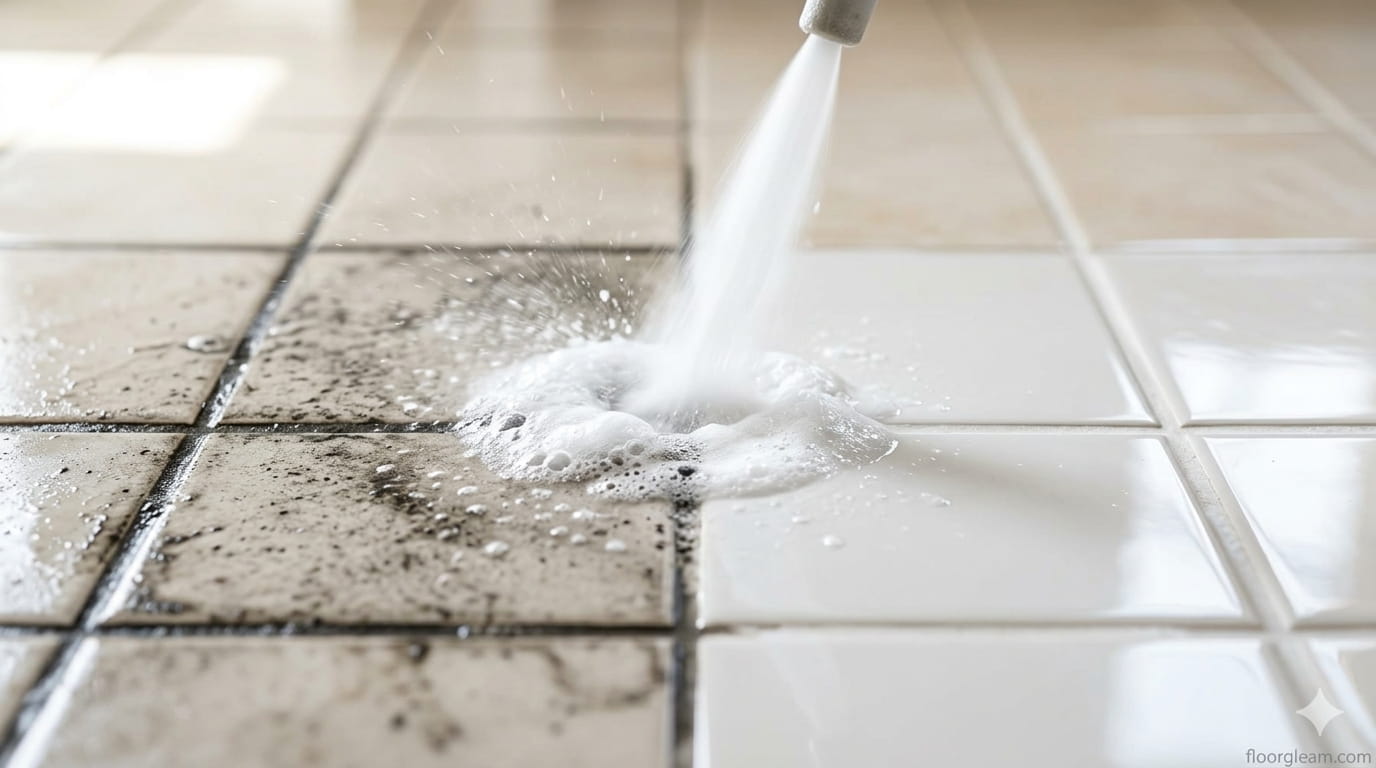
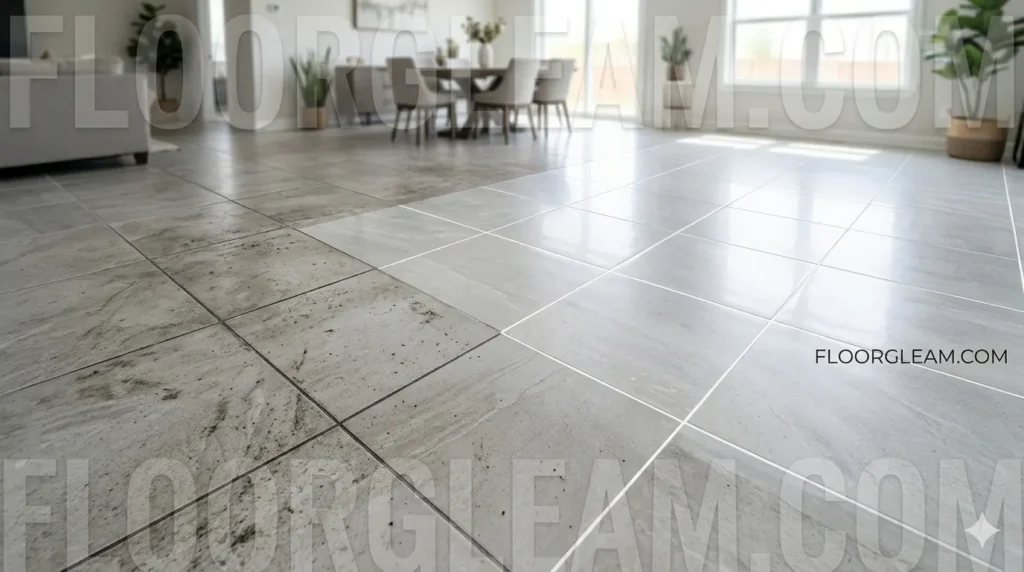
Cleaning every grout line in your home by scrubbing can feel almost impossible—not just physically, but mentally too. Just thinking about kneeling down for hours with a brush can drain your energy before you even start. If you’ve ever spent a weekend scrubbing grout with a toothbrush, you already know how exhausting and frustrating it can be.
But what if you could make those grout lines look like new again—without scrubbing for even a minute?
In this guide, you’ll discover how to clean floor tile grout without scrubbing using simple, proven methods that actually work. Instead of wasting time and effort, you can use modern no-scrub solutions designed to break down dirt and stains automatically. Many of these powerful cleaners and tools are now easily available online and can deliver professional-level results at home.
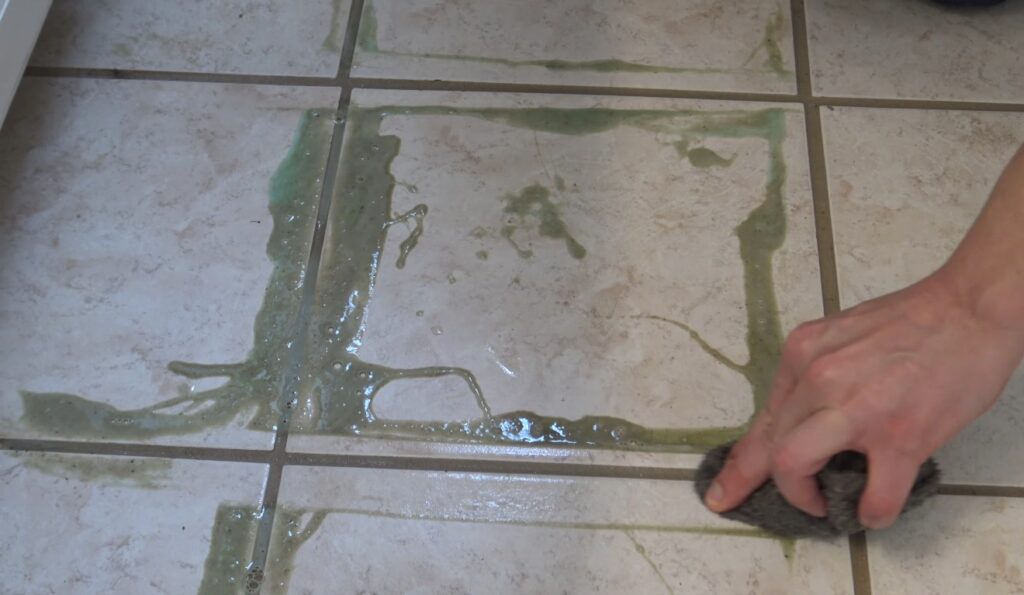
👉 Check the best no-scrub grout cleaners on Amazon here to find highly rated products that can save your time and effort.
As a floor care enthusiast at FloorGleam, I’ve tested countless cleaning hacks—some worked, most didn’t. That’s why in this expert-approved guide, I’m sharing only the most effective, time-saving solutions so you can clean grout effortlessly and get spotless, like-new tiles without the backbreaking work.
Why Does Grout Get So Dirty Anyway?
Before we dive into the “how,” let’s talk about the “why.”
Grout gets dirty so quickly because it is a highly porous material, meaning it easily absorbs dirt, moisture, grease, and bacteria over time. Unlike smooth tile surfaces, grout lines have tiny holes that trap dust and spills, making them harder to clean with regular mopping.
In high-traffic areas like kitchens and bathrooms, this buildup happens even faster. Water, soap residue, and foot traffic all contribute to discoloration, turning grout lines from clean and bright to dark and stained.
Another major reason is the lack of proper sealing. If grout isn’t sealed, it becomes even more vulnerable to absorbing stains and moisture, which can lead to mold and mildew growth.
Suppose you went out of the house for some work, entered the house again wearing the same shoes you wore when you went out, and walked around the house, in this case, it is normal for the grout on the floor to get dirty.
Another common problem can be, as most of us have children and pets in our homes, they are always moving around. It is normal for them to come from the house to the yard and from the yard to the house. Their shoes, clothes, pants, and various play materials can get dirty in the grout of the house.
What causes grout to get so dirty?
Improper mopping: Using too much water while mopping can push dirty water deep into grout lines, making them dirtier.
Cleaning residue buildup: Using the wrong cleaning products repeatedly can leave behind soap or chemical residue, which attracts more dirt over time.
Hard water stains: Minerals from hard water, such as calcium and lime, can build up on grout and cause discoloration.
Pet traffic: Pets can track in dirt, oils, and bacteria from outside, which easily get trapped in grout.
Foot Traffic: Daily walking pushes dirt and dust deep into grout lines, making them harder to clean with regular mopping. A powerful cleaner can break down this buildup effortlessly.
Lack of Sealing: Unsealed grout absorbs stains quickly, making cleaning much more difficult. Pairing a cleaner with proper sealing products can keep your grout looking new.
Moisture Exposure: Water from spills, mopping, or humidity seeps into grout, leading to stains and even mold growth. Using a high-quality grout cleaner helps prevent long-term damage.
Grease & Soap Residue: In kitchens and bathrooms, grease, soap scum, and oils create a sticky layer that traps dirt. A strong no-scrub solution is essential to cut through this grime.
Mold & Mildew Growth: Damp environments encourage mold and mildew, especially in bathrooms. Using an effective anti-bacterial grout cleaner can help eliminate and prevent this issue.
Old or damaged grout: Worn-out or cracked grout becomes more porous, allowing dirt and stains to penetrate more easily.
Can You Clean Grout without Scrubbing?
Sure, you can clean grout without scrubbing too much. Although grout is porous and attracts dirt like a magnet, some chemical reactions and tools can do this difficult task for you. Is that all? There are many home remedies, many environmentally friendly ingredients with which you can easily clean the grout in your house. Well, before knowing the details of all these, let’s take a look at some effective comparison tables of some floor grout cleaners.
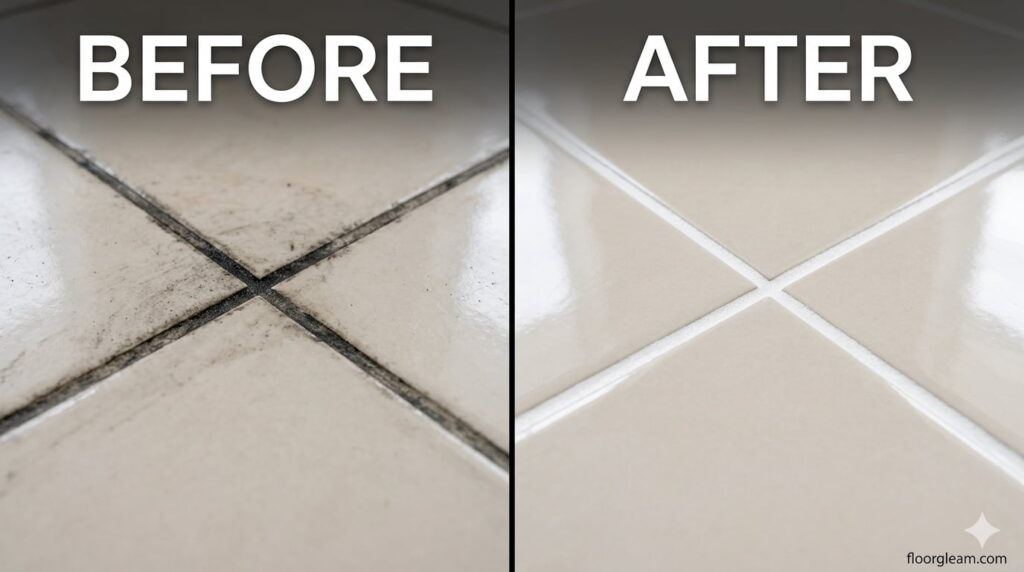
Comparison Table
Method | Effort | Effectiveness | Cost |
Baking Soda + Vinegar | Low | Medium | Low |
Hydrogen Peroxide | Low | High | Low |
Oxygen Bleach | Low | High | Medium |
Commercial Cleaner | Very Low | High | Medium |
Steam Cleaner | Very Low | High | High |
Well, I showed you the comparison table, we definitely need to know how it works, will it harm the floor grout after using it, and will it harm our body? In a nutshell, the answer is “no”, why won’t it harm? This is my question. Chemicals have been used here. Yes, not all of them are eco-friendly here, but since we use them, our trusted companies have tested them and brought them to the market for use.
They have definitely considered that there may be children or pets in my or your house, so that they do not have any problems. However, we have to follow some simple things. For example, before cleaning the floor grout, we have to wear a cleaner’s dress, mask, and hand gloves. Then we have to start working with the necessary materials for floor grout cleaning. Now let’s see which materials to use and how to use them.
7 Best Ways to Clean Floor Tile Grout Without ScrubbingBaking Soda + Vinegar Method
How It Works
Creates a chemical reaction that loosens dirt, which completely cleans the dirt without damaging the grout.
Steps
- Apply baking soda paste
- Spray vinegar
- Wait 10–15 minutes
- Rinse with warm water
✔ Natural
✔ Budget-friendly
Hydrogen Peroxide Cleaner
Why It Works
Breaks down deep stains and kills bacteria and the bacteria that remain in the grout separate and easily make it look like new.
Steps
- Apply directly
- Leave for 15 minutes
- Wipe clean
✔ Strong stain removal
Oxygen Bleach Solution
Best for Deep Cleaning
- Mix with warm water
- Apply generously
- Leave for 30 minutes
- Rinse
✔ Safe for grout
✔ No harsh scrubbing
Commercial No-Scrub Grout Cleaner
Best for Convenience
Modern cleaners are designed to work without effort.
Benefits
- Spray and wait
- No scrubbing required
- Fast results
Pro Tip: Choose an oxygen-based cleaner for best results.
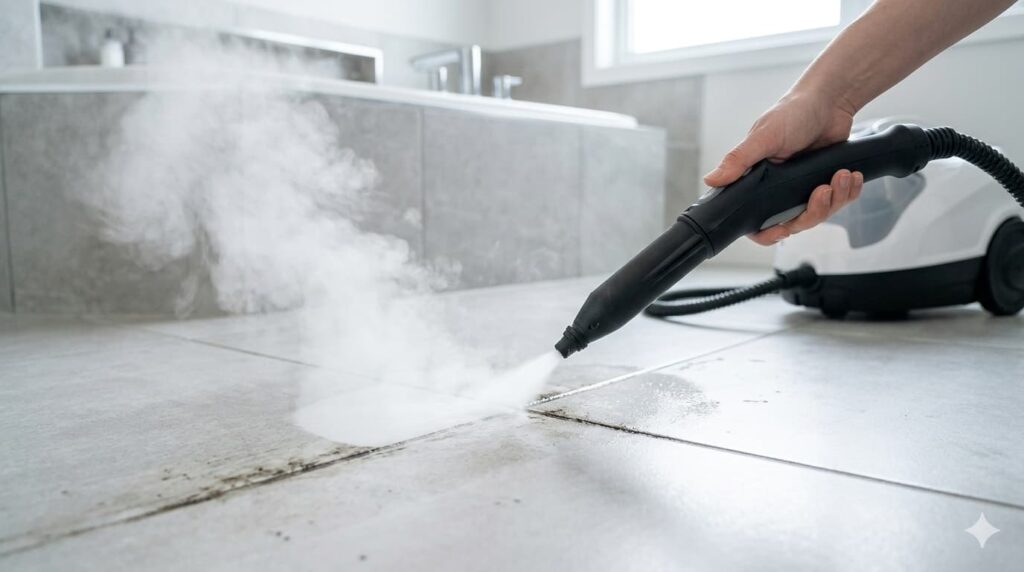
Steam Cleaner
Chemical-Free Cleaning
- Uses high-temperature steam
- Loosens dirt instantly
✔ Eco-friendly
✔ Kills bacteria
Lemon + Baking Soda
Natural Alternative
- Apply paste
- Wait 15 minutes
- Rinse
✔ Fresh smell
✔ Safe method
Dish Soap Soak
For Light Cleaning
- Mix soap + warm water
- Let it soak
- Wipe clean
✔ Simple
✔ Good for maintenance
Best No-Scrub Grout Cleaners (Top Picks)
What to Look For
- Oxygen-based formula
- Non-toxic ingredients
- Safe for tile and grout
- Easy spray application
In addition to knowing how to clean floor tile grout without scrubbing, we also need to know about floor care and best floor cleaners.
Why These Products Work
These cleaners break down dirt chemically, so you don’t need to scrub manually. Since you don’t have to touch them with your hands, there will be no physical harm to you. You are 100% safe and your home’s grout is clean.
Tips to Keep Grout Clean Longer
Apply a Penetrating Sealer
This is the single most important step. A high-quality penetrating sealer sinks into the pores of the grout, creating an invisible barrier that repels water and oils. Re-apply it every 1–2 years (or more often in high-moisture areas like showers).
Swap Your Mop for Microfiber
Old-fashioned string mops or sponge mops often just push dirty water into the low-lying grout lines. Use a microfiber flat mop; it lifts and traps dirt rather than spreading it, and it uses significantly less water.
Change Your Cleaning Water Frequently
If your mop water looks like gray slush, you are essentially “painting” your grout with dirt. When mopping a large floor, change the water and cleaning solution as soon as it begins to look cloudy.
Vacuum Before You Mop
Never wet a floor that has loose dust, hair, or debris on it. Wetting dust creates a fine “mud” that settles deep into the grout. Use a vacuum with a hard-floor setting to remove every bit of dry soil first.
Use pH-Neutral Cleaners
Avoid using harsh acids (like pure vinegar) or strong bleach for daily cleaning. Acids can slowly erode the grout and strip away the sealer. Stick to pH-neutral floor cleaners that are safe for both the tile and the grout.
Dry the Floors after Cleaning
Don’t let the floor “air dry” with puddles sitting in the grout lines. Use a clean, dry microfiber cloth or a floor squeegee to remove excess moisture. This prevents dissolved dirt from settling back into the pores as the water evaporates.
Implement a “No Shoes” Policy
Most grout grime is simply outdoor soil tracked in by footwear. Placing high-quality mats at every entrance and encouraging a shoes-off house policy will reduce the amount of dirt reaching your tile by up to 80%.
Use a Squeegee in the Shower
For tiled bathrooms, keeps a small squeegee hanging in the shower. Spending 30 seconds wiping down the walls after every use prevents soap scum and hard water deposits from building up in the grout.
Address Spills Instantly
Because grout is porous, liquids like red wine, coffee, or oil will soak in quickly. Blot (don’t rub) spills immediately with a paper towel to prevent a permanent stain.
Improve Ventilation
Mold and mildew love damp grout. In bathrooms and kitchens, ensure your exhaust fan is running during and for 15 minutes after cooking or showering. Keeping the humidity low prevents the organic growth that turns grout black or green.
Bonus Tip: If you notice a small stain starting to form, a Grout Pen can be a quick “eraser” to touch up the color before it becomes a larger issue!
Learning how to clean floor tile grout without scrubbing is a game-changer for homeowners who want to maintain a spotless floor without back-breaking labor.Tile floor gout is our main goal, but we also have to take care of our tile care. While using the right products is essential, understanding the safety standards for chemical cleaners is equally important to protect your tiles. To ensure you are following the best professional cleaning standards, you can refer to the industry guidelines for deep-cleaning porous surfaces.
Frequently Asked Questions (FAQ)
Q: Can I use a pressure washer indoors?
A: While technically possible with specialized “indoor pressure washer” attachments (like hard-surface spinners), using a standard pressure washer indoors is risky for three reasons: Water Damage, Carbon Monoxide and Splatter.
Q: Will baking soda scratch my tiles?
A: No, baking soda is a mild abrasive and is safe for almost all ceramic and porcelain tiles. Provided they are standard ceramic or porcelain.
Q: How often should I deep clean my grout?
A: For a standard US household, a deep soak every 6 months is enough if you do regular maintenance mopping. However, since you’re focusing on maintaining a high standard of floor care for your site, the “perfect” frequency depends on the specific room and the level of foot traffic.
Q: Is vinegar safe for grout?
A: Occasional use is safe; you should avoid using vinegar as a regular cleaner for your grout. While it is a popular “natural” hack, it can actually cause permanent damage over time.
Q: Does steam cleaning damage grout?
A: No, steam cleaning is safe and effective when used properly. Steam cleaning is widely considered the gold standard for deep cleaning grout because it uses heat rather than harsh chemicals. However, whether it “damages” grout depends entirely on the condition of your floor and the type of equipment you use.
Q: Can you really learn how to clean floor tile grout without scrubbing?
A: Yes, it is entirely possible to clean grout without manual labor by using the right chemical reactions or steam technology. Methods like using oxygen bleach or a high-pressure steam cleaner penetrate the porous grout lines to lift dirt and stains to the surface, making scrubbing unnecessary. This is very effictive way & This is part of the modern process of cleaning grout easily with less effort.
People Also Ask (PAA)
How do you clean really dirty grout without scrubbing?
To clean really dirty or neglected grout without scrubbing, you need to move beyond standard floor cleaners and use the “Chemical Dwell & Lift” method. This relies on high-concentration oxygen or alkaline reactions to break the molecular bond between the dirt and the porous grout. Use oxygen bleach or a commercial cleaner; let it sit for 20–30 minutes, then rinse.
What removes black stains from grout?
Black stains in grout are usually one of two things: mold/mildew (common in bathrooms) or deeply embedded grease and carbon (common in kitchens). Because grout is porous, these stains aren’t just on the surface; they are “living” inside the material. Hydrogen peroxide and baking soda are very effective.
Can baking soda damage grout?
The short answer is no, it is gentle and safe. Baking soda is generally considered one of the safest cleaners for grout, but there are a few technical nuances you should be aware of to ensure you don’t accidentally cause long-term issues.
What is the fastest way to clean grout?
If you are looking for the fastest result with the least amount of labor, you have to move away from DIY pastes and manual scrubbing. Speed in grout cleaning comes from High Heat or Strong Chemistry.
Using a no-scrub spray cleaner is the fastest method.
Do I need to seal grout after cleaning?
The short answer is yes, sealing helps prevent future stains. If you have just deep-cleaned your grout—especially if you used a “no-scrub” method like steam or heavy-duty chemicals—the pores of the grout are now wide open and vulnerable.
🧾Conclusion:
Now you know exactly how to clean floor tile grout without scrubbing using simple, effective methods. Whether you prefer natural solutions or modern no-scrub cleaners, these techniques can restore your grout without damaging your tiles.
For best results, combine regular maintenance with the right cleaning products—and enjoy clean, bright tile floors without the hard work. We always work with real experts on the health of tiles, you can visit our other pages to learn about the care of different types of tiles.