
Are you worried about bed bugs invading your beautiful hardwood floors? You’re not alone.
These tiny pests can hide in the smallest cracks and crevices, making your home feel unsafe and uncomfortable. But don’t panic just yet—understanding how bed bugs interact with hardwood floors is the first step to protecting your space. You’ll discover what makes hardwood floors both a challenge and an advantage in the fight against bed bugs.
Keep reading to learn simple, effective ways to keep your floors—and your home—bug-free.

Credit: snhpc.com
Signs Of Bed Bugs On Hardwood Floors
Bed bugs can hide in many places, including hardwood floors. Knowing the signs helps catch them early. Early detection stops a bigger problem.
Hardwood floors show clues of bed bugs. These signs include bites, droppings, shed skins, and eggs. Watch closely for these hints to protect your home.
Identifying Bed Bug Bites
Bed bug bites often appear as small red marks. They usually form in lines or clusters on the skin. Bites can be itchy and cause discomfort. Bites may not appear right away after being bitten.
Spotting Bed Bug Droppings
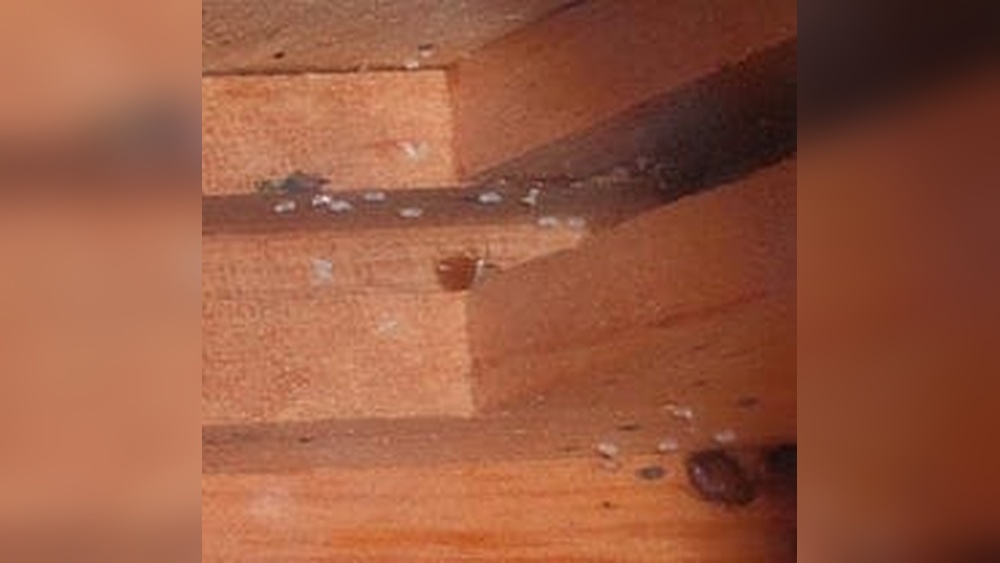
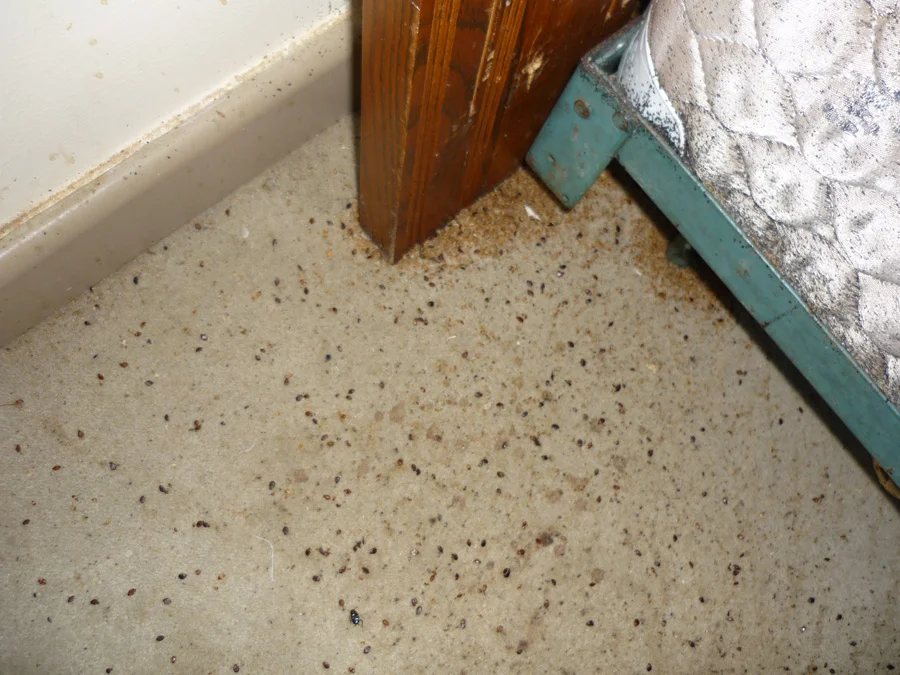
Bed bug droppings look like tiny black or dark brown spots. You might see them on hardwood floor cracks or near baseboards. These spots are dried blood and waste from the bugs. They do not wipe away easily.
Detecting Shed Skins And Eggs
Bed bugs shed their skins as they grow. These skins are pale, empty shells left behind. You may find them near floor edges or furniture legs. Bed bug eggs are very small, white, and oval. Eggs often cluster in hidden spots on or near the floor.
How Bed Bugs Interact With Hardwood Floors
Bed bugs and hardwood floors have a unique interaction. These tiny pests can live near or on wood surfaces. Understanding how bed bugs behave on hardwood floors helps in controlling them. They do not just stay on beds or furniture; floors can also be part of their path.
Common Hiding Spots On Wood Surfaces
Bed bugs hide in cracks and crevices on wood surfaces. They prefer dark, tight spaces where they feel safe. The edges of hardwood planks are perfect hiding spots. Bed bugs also stay under loose boards or behind baseboards. These places give them shelter during the day.
Movement Patterns Across Floors
Bed bugs move slowly but steadily across hardwood floors. They follow edges and corners to avoid open spaces. Their legs are adapted to grip wood surfaces well. Bed bugs travel from one hiding place to another in search of food. Nighttime is when they are most active on floors.
Impact Of Floor Gaps And Cracks
Gaps and cracks in hardwood floors help bed bugs spread. These openings connect different parts of a room or house. Bed bugs slip through these small spaces to reach new areas. The wider the gap, the easier it is for them to move. Sealing gaps reduces their chance to spread across floors.
Preventing Bed Bugs In Hardwood Floor Areas
Preventing bed bugs in hardwood floor areas requires careful attention. These pests hide in small spaces and cracks. Hardwood floors have many tiny gaps where bugs can live and breed. Taking steps to protect these areas helps keep your home safe and clean.
Sealing Cracks And Crevices
Bed bugs enter through cracks in the wood. Seal all gaps using wood filler or caulk. Check edges and corners where floorboards meet the wall. This stops bugs from hiding deep inside your floors. Regularly inspect the floor for new cracks or openings.
Routine Cleaning Techniques
Clean hardwood floors often with a vacuum or broom. Focus on edges and under furniture. Vacuuming removes eggs and bugs before they spread. Use a damp mop to clean dust and dirt. Avoid wetting floors too much to protect the wood.
Using Protective Barriers
Place bed bug interceptors under furniture legs. These barriers trap bugs trying to crawl up. Use mattress encasements to prevent bugs from reaching beds. Consider rugs or mats that are easy to wash. Protective barriers reduce the chance of bed bugs moving around.
Credit: www.a1exterminators.com
Home Remedies For Bed Bug Removal
Bed bugs on hardwood floors create a tricky problem. These pests hide in cracks and corners, making removal tough. Home remedies offer simple ways to reduce bed bug numbers. They help protect your wood floors without harsh chemicals. Here are some effective options to try.
Heat Treatment Options
Heat kills bed bugs fast. Raising room temperature to 120°F or more works well. Use a portable heater or steam cleaner. Steam also cleans hardwood floors safely. Focus on cracks, edges, and baseboards. Repeat treatments may be necessary to reach all bugs.
Vacuuming Best Practices
Vacuum floors regularly to catch bed bugs and eggs. Use a vacuum with a strong suction. Pay close attention to floorboards and corners. Empty the vacuum bag or canister immediately after use. Seal the contents in a plastic bag before disposal. This reduces the chance of bugs escaping.
Natural Repellents For Wood Floors
Essential oils like tea tree, lavender, and eucalyptus repel bed bugs. Mix a few drops with water in a spray bottle. Spray lightly on hardwood floors and baseboards. Avoid soaking the wood to prevent damage. Repeat every few days for ongoing protection.
Professional Treatment Methods
Dealing with bed bugs on hardwood floors needs special care. Professional treatment methods are the safest way to remove these pests. Experts use techniques that protect your wood while killing bed bugs effectively. Understanding these methods helps you choose the right option for your home.
Chemical Treatments Safe For Wood
Some chemicals are made to treat bed bugs without harming hardwood floors. These treatments use low-toxicity sprays and powders that target bugs directly. Professionals apply chemicals carefully to avoid damage. They know which products work well on wood. This method kills bed bugs and stops them from coming back.
Fumigation And Heat Treatments
Fumigation involves sealing the area and using gas to kill bed bugs. It reaches hidden bugs in cracks and crevices of hardwood floors. Heat treatments use high temperatures to destroy bed bugs at all stages. Heat spreads through the room and wood evenly. Both methods are thorough and safe when done by experts.
When To Call An Exterminator
Bed bugs can hide deep in hardwood floors and furniture. Early signs may be hard to spot. Call an exterminator if you see bites or bugs. Professionals inspect and confirm the problem. They use proper tools and treatments to remove bed bugs. Acting quickly helps protect your home and floors.
Maintaining Hardwood Floors Post-treatment
Maintaining hardwood floors after bed bug treatment is crucial for lasting results. Proper care helps protect your floors and keeps bed bugs away. It also ensures your hardwood stays beautiful and strong. Follow these simple steps to care for your floors and prevent future problems.
Preventing Future Infestations
Keep your home clean and clutter-free. Bed bugs hide in cracks and small spaces. Seal any gaps or cracks in your floors and walls. Use bed bug-proof mattress covers. Avoid bringing used furniture without checking it first. These habits reduce the chance of bed bugs returning.
Regular Inspection Tips
Inspect your hardwood floors weekly. Look closely at baseboards and corners. Check for dark spots or tiny bugs. Use a flashlight to see better in dark areas. Early detection stops infestations from growing. Keep a record of your inspections to track any changes.
Floor Care To Avoid Damage
Use gentle cleaners made for hardwood floors. Avoid harsh chemicals that can strip the finish. Clean spills immediately to prevent stains. Do not flood floors with water. Use soft cloths or mops for cleaning. Regularly polish your floors to protect the surface. Proper care keeps floors strong after treatment.

Credit: www.zippests.com
Frequently Asked Questions
Can Bed Bugs Live On Hardwood Floors?
Yes, bed bugs can survive on hardwood floors. They hide in cracks, crevices, and floor gaps. Hardwood floors do not prevent infestations but can make spotting them easier.
How To Detect Bed Bugs On Hardwood Floors?
Look for small, rust-colored spots or shed skins near floorboards. Bed bugs hide in cracks and edges. Use a flashlight to inspect carefully and detect early signs.
Are Hardwood Floors Easier To Clean From Bed Bugs?
Hardwood floors are easier to clean as they have fewer hiding spots. Vacuum and mop regularly to reduce bed bug presence. However, thorough treatment is still necessary to eliminate infestations.
Can Bed Bugs Damage Hardwood Floors?
Bed bugs do not damage hardwood floors. They feed on blood, not wood. However, infestations can cause stress and require costly treatments and repairs to surrounding areas.
Conclusion
Bed bugs can hide in cracks of hardwood floors. Regular cleaning helps keep them away. Check floors often for small signs of bugs. Treat infestations quickly to stop spreading. Use safe methods to protect your home. Hardwood floors do not stop bed bugs.
Stay alert and act fast to stay safe. Your home deserves care and attention.