
Vinyl flooring is Still Relevant?
Vinyl flooring is one of the most sought-after flooring options for new and remodeled homes—not just because it is affordable, durable, or visually appealing, but also because it offers versatility in design. However, even high-quality vinyl can prematurely wear, fade, or lose its shine without proper protection. That’s where a floor sealer for vinyl comes in.
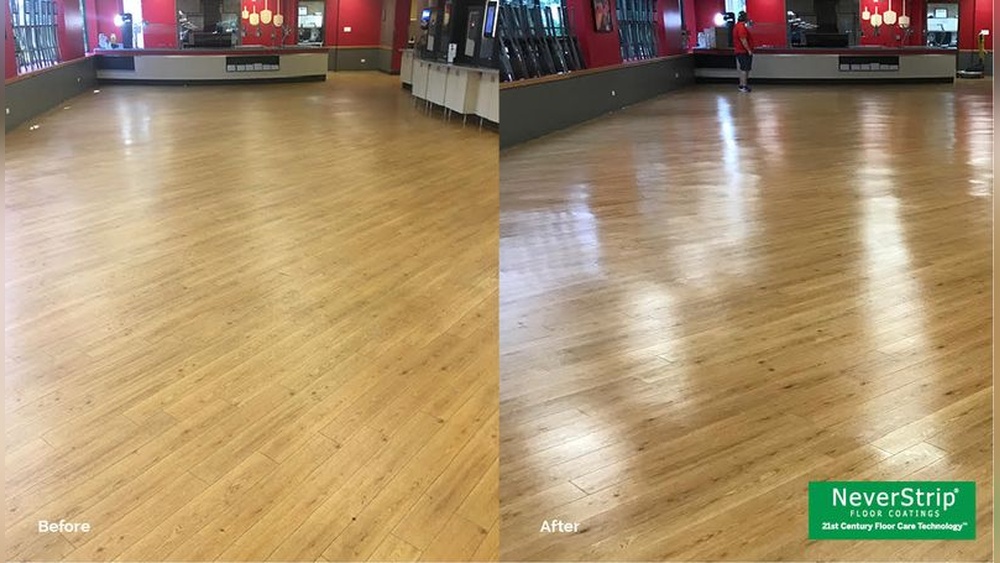
A vinyl floor sealer provides multiple benefits: it adds an extra protective layer against stains, scratches, and moisture; it enhances the floor’s appearance with a polished or matte finish; and some sealers can even increase surface shine. Using the right sealer safeguards your vinyl floors from everyday scuffs, spills, and heavy foot traffic, saving time on cleaning and reducing maintenance concerns.
This ultimate 2026 guide covers everything about vinyl floor sealers, including types, benefits, application techniques, and care tips to ensure your floors stay in top condition.
What Is a Floor Sealer for Vinyl?
A vinyl floor sealer is a protective coating applied to new or existing vinyl flooring, creating a durable membrane that guards against scratches, scuffs, stains, and daily wear. Unlike wax, which can build up and attract dirt over time, modern vinyl sealers penetrate the surface, offering protection without leaving a waxy residue or changing the floor’s texture or color.
Key Characteristics
Water-Resistant: Prevents water, splashes, and spills from penetrating the floor.
Floor Protection: Helps keep moisture, dirt, and debris off rugs, carpets, or adjacent surfaces.
Polished Look: Certain sealers add a subtle shine while maintaining matte finishes if desired.
Sealant systems can be used in residential, commercial, and high-traffic areas to enhance wear resistance and improve the floor’s appearance.
Advantages of a Vinyl Floor Sealer
Extends Floor Lifespan
A floor sealer protects your vinyl from scuffs, scratches, and everyday wear, minimizing long-term damage and preserving the original color and texture.
Improves Appearance
Many sealers add a slight sheen that enhances the color and texture of vinyl, while matte sealers maintain a natural floor appearance.
Easier Cleaning and Maintenance
Sealed vinyl is less prone to collecting dust, dirt, or spills, allowing for easy cleaning with a simple mop or vacuum.
Protects Against Moisture
High-quality sealers create a moisture-resistant barrier, preventing water from seeping into seams or edges and reducing risks of warping or lifting.
Cost-Effective Flooring Protection
Applying a sealer is a small investment compared to replacing vinyl floors prematurely. It keeps your floors looking polished and well-maintained for years.
Types of Floor Sealers for Vinyl
Choosing the right sealer depends on the type of vinyl and the finish you want.
Acrylic-Based Sealers
Water-based, low-VOC, and safe for indoor use
Clear, durable layer
Easy to apply and maintain
Polyurethane Sealers
Long-lasting protection for high-traffic areas
Scratch, chemical, and moisture resistant
Available in gloss, semi-gloss, and matte finishes
Wax-Based Sealers
Provides a natural shine and temporary protection
Requires periodic reapplication
Less durable than acrylic or polyurethane
Epoxy Sealers
Typically used in industrial or commercial settings
Highly durable and chemical resistant
More expensive and difficult to apply than other types
How to Select the Right Floor Sealer for Vinyl
Consider Your Floor Type
Different vinyl types—luxury vinyl plank (LVP), sheet vinyl, or vinyl tiles—may respond differently to sealers. Always follow manufacturer guidelines.
Traffic Levels
High-traffic areas need durable polyurethane sealers, while low-traffic spaces can use acrylic or wax-based products.
Desired Finish
Choose a gloss, satin, or matte finish depending on your design preference.
Indoor Safety
Look for low-VOC and water-based sealers for safety in homes with children or pets.
Budget
Some sealers may be pricier upfront but provide longer-lasting protection, saving money on future maintenance.
How to Apply Floor Sealer for Vinyl – A Simple Guide
Step 1: Prepare the Floor
Clean the vinyl thoroughly, removing dust, dirt, and grease
Use a vinyl floor cleaner and allow the surface to dry completely
Step 2: Select Your Application Tool
Use a microfiber mop, sponge applicator, or roller, depending on the sealer type
Step 3: Apply the Sealer
Pour a small amount onto the floor or applicator
Work in small sections and spread evenly to prevent streaks
Step 4: Allow to Dry
Follow manufacturer instructions for drying times
Avoid walking on the floor until fully cured
Step 5: Apply Additional Coats
Apply 2–3 thin coats for maximum protection
Allow each coat to dry before applying the next
Step 6: Post-Application Care
Wait 24–48 hours before heavy foot traffic
Avoid sliding furniture to prevent scratches
How to Care for Sealed Vinyl Flooring
Regular Cleaning
Sweep or vacuum regularly to remove dust and grit
Mop with a damp cloth or vinyl-safe cleaner
Avoid Harsh Chemicals
Avoid bleach, abrasive cleaners, and steam mops (unless rated safe for sealer)
Periodic Re-Sealing
Some sealers, particularly wax or acrylic, need reapplication every 6–12 months
Common Errors in Applying Floor Sealers
Skipping floor preparation: Residue prevents proper adhesion
Applying too thick a coat: Causes streaks or improper drying
Using incompatible cleaners: Can remove the sealer
Walking on wet sealer: Leaves footprints and smudges
Ignoring manufacturer instructions: Follow drying times and coat recommendations
Pros vs. Cons of Vinyl Floor Sealers
Advantages:
Extends vinyl lifespan
Enhances appearance and shine
Adds moisture and scratch resistance
Reduces cleaning effort
Disadvantages:
Wax-based sealers require frequent reapplication
Some sealers may yellow in direct sunlight
Improper application can cause streaks or uneven finish
Top Applications of Floor Sealers
Residential: Kitchens, bathrooms, living rooms, entryways
Commercial: Offices, retail spaces, hospitality environments
Industrial: Epoxy sealers protect factories and warehouses
The Future of Vinyl Floor Sealers
Green Sealers: Low-VOC, biodegradable products are becoming mainstream
High-Shine Durable Finishes: Durable yet glossy coatings for luxury vinyl
Hybrid Formulas: Acrylic-polyurethane blends provide longer-lasting protection
DIY-Friendly Options: Simple, easy-to-apply sealers for homeowners
Final Thoughts
A floor sealer for vinyl is a smart investment to protect, enhance, and extend the life of your vinyl flooring. Choosing the right product, applying it correctly, and maintaining it properly ensures your floors remain beautiful and long-lasting. Whether you are renovating a kitchen, a high-traffic commercial space, a kid’s playroom, or even a laundry room, a vinyl floor sealer provides protection against scratches, slips, and fading, keeping your floors looking their best for years.
Visit Homepage