
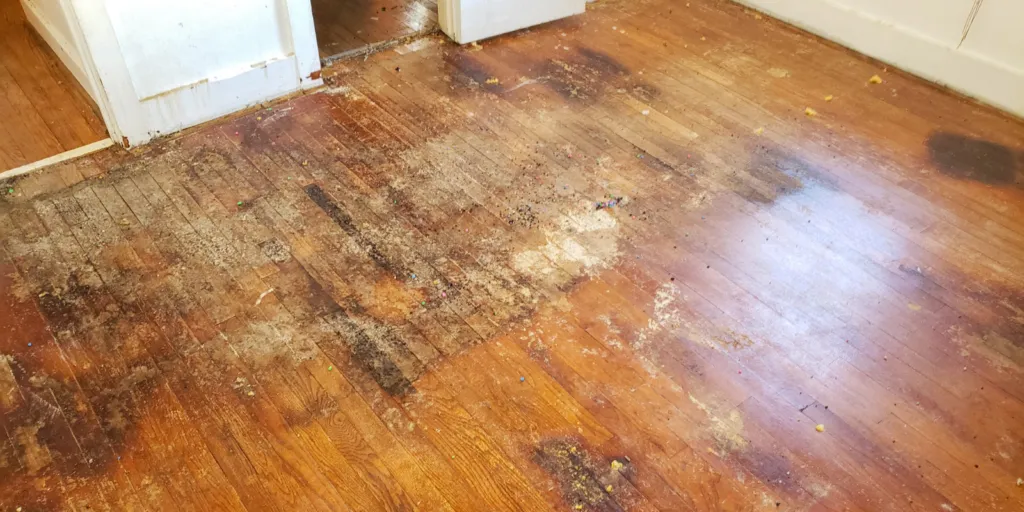
Mold on Hardwood Floor: Effective Solutions to Save Your Wood
Mold on hardwood floor is a serious problem. It damages wood, affects indoor air quality, and spreads quickly when moisture stays trapped. The good news is you can fix it if you act early and use the right methods.
This guide explains exactly what you should do, what to avoid, and how to protect your floors long term. You will also learn prevention steps, restoration costs, and expert-backed solutions based on current guidance and 2024 to 2025 industry standards.
Why There’s Mold on Hardwood Floor
Mold needs three things to grow: moisture, organic material, and time. Hardwood flooring becomes an ideal food source when water gets trapped inside or beneath the boards.
The US Environmental Protection Agency (EPA) reports that mold on hardwood floors often starts forming when wet surfaces remain undried for 24 to 48 hours after water exposure.
Common Causes Inside Homes
Plumbing leaks under floors
Poor ventilation
Flooding or spills left untreated
High humidity levels
Condensation from concrete subfloors
Homeowners also make common mistakes when installing vinyl plank flooring or nearby materials. These errors can trap moisture and create conditions that encourage mold growth on hardwood.
Warning Signs You Should Never Ignore for Molds on Hardwood Floor
Musty smell near flooring
Dark spots or discoloration
Warped boards
Soft or spongy areas
Allergic reactions indoors
According to the CDC, exposure to damp or moldy environments can cause respiratory problems, coughing, and skin irritation.
How to Determine the Extent of Mold Damage on Hardwood Floors
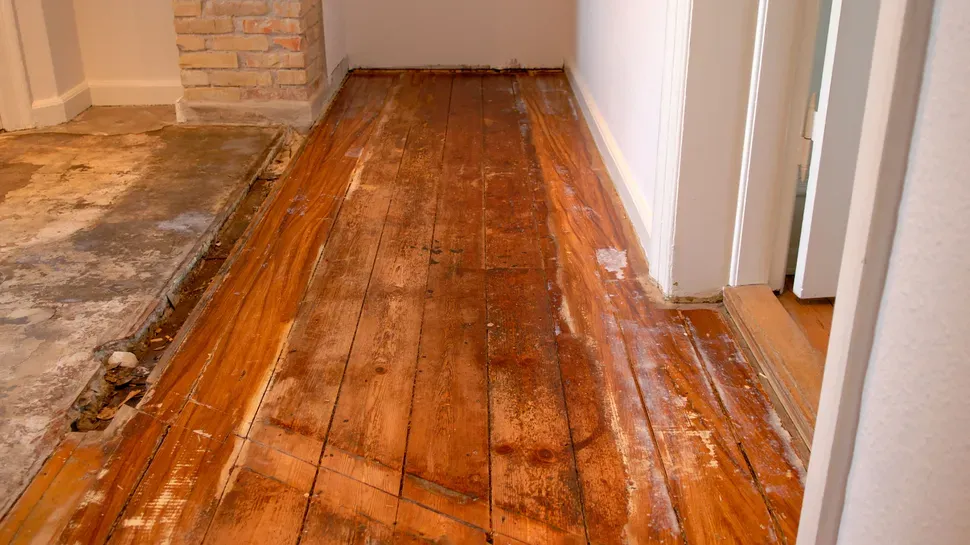
Before you begin cleaning, you need to understand how serious the issue is.
The EPA explains that mold covering less than about 10 square feet can usually be cleaned safely by homeowners. Larger areas often require professional remediation.
Surface Mold vs Deep Mold
Surface Mold
Appears on top of the finish
Usually removable with cleaning
Wood remains structurally sound
Deep Mold
Penetrates seams or the subfloor
Often causes warping
May require sanding or replacement
If mold keeps returning, moisture is still present. Cleaning alone will not solve the problem.
Step by Step Guide: How to Clean Mold From Hardwood Floors
You need a careful, structured process. Rushing often makes damage worse.
Step 1: Stop the Moisture Source
This is the most important step. EPA guidance makes it clear that moisture control is the key to mold control.
Fix plumbing leaks
Improve ventilation
Run a dehumidifier
Check garage or basement humidity levels
Step 2: Protect Yourself
Wear proper protective equipment:
N95 mask
Gloves
Eye protection
The CDC recommends protective gear during mold cleanup to reduce exposure.
Step 3: Clean the Surface
Vacuum using a HEPA filter.
Scrub gently with mild soap and water.
Dry the area completely.
Never paint or seal over mold. The EPA warns that paint will peel if mold remains underneath.
Step 4: Dry Thoroughly
Use fans and a dehumidifier. Wood must be completely dry before refinishing.
When You Need Sanding, Refinishing, or Replacement
Sometimes cleaning alone is not enough.
Signs Refinishing Is Needed
Dark staining penetrates the finish
Boards feel rough after cleaning
Mold on hardwood floors returns repeatedly
Homeowners often ask how much it costs to refinish hardwood floors or how long refinishing takes. Costs vary by location, but most 2025 projects range from moderate to premium depending on damage.
In severe situations, replacing the flooring may be more cost effective than repairing it.
Expert Insight
Restoration professionals follow a simple rule:
“Remove the moisture first or the mold returns.”
This guidance aligns with EPA recommendations. Water restoration standards also stress rapid drying after water exposure to prevent microbial growth.
Preventing Mold on Hardwood Floor From Returning
Prevention is easier and cheaper than repair.
Control Indoor Humidity
The EPA recommends maintaining indoor humidity between 30 and 60 percent.
Use:
Dehumidifiers in basements
Exhaust fans in bathrooms
Proper airflow under rugs
Flooring Maintenance Best Practices
Follow care guidelines for different types of flooring
Clean spills immediately
Avoid soaking hardwood during cleaning
Use floor sealer for wood floors when appropriate
If you are remodeling, poor decisions such as ignoring underlayment considerations can create hidden moisture problems.
Areas Homeowners Often Overlook
Garage door bottom seals that let moisture inside
Incorrect concrete slab thickness in basements
Poor floor drain placement in utility areas
Comparative Mold Risk for Different Flooring Types
Many homeowners compare hardwood with alternative flooring options.
Hardwood Flooring
Pros
Long lifespan
Refinishable
Increases home value
Cons
Sensitive to moisture
Vinyl and Laminate
Questions like the difference between vinyl and laminate flooring or how long laminate flooring lasts matter when moisture is a concern.
Vinyl resists water better than wood, but poor installation can trap moisture underneath.
Cork and Engineered Options
Materials such as cork flooring systems or epoxy floor coating over tile provide stronger moisture resistance but still require correct installation.
Practical Costs and Trends (2025 to 2026)
Rising labor costs and increased moisture issues have pushed more homeowners to invest in refinishing rather than replacement.
Key Trends
Greater use of dehumidifiers and moisture monitoring
More refinishing instead of full replacement
Rising popularity of wide plank white oak flooring
Increased use of protective coatings such as floor paint with polyurethane
If your floor has extensive mold, compare sanding costs versus replacement before deciding.
Internal Resources to Explore Next
To help protect your flooring long term, read these related guides:
Vinyl plank flooring cost per square foot installed
How to clean unsealed Mold on Hardwood Floor Fast floors
How to clean very dirty laminate flooring
How to clean epoxy garage floor
Basement flooring options over concrete
Stone look laminate flooring
Mid century floor tile design inspiration
External Sources Referenced
US Environmental Protection Agency Mold Guide
Centers for Disease Control Mold Information
Water Restoration Industry Standards
FAQ: Mold on Hardwood Floor
Is mold on hardwood floors dangerous to your health?
Yes. The CDC notes that mold exposure can trigger allergies, respiratory symptoms, and irritation.
Should you replace moldy hardwood flooring?
Replace it when mold has penetrated deeply into the wood or subfloor.
How quickly does mold grow after water damage?
Mold can begin growing within 24 to 48 hours if surfaces stay wet.
Can you use bleach on mold on hardwood floors?
Bleach is not generally recommended because it can damage wood and does not penetrate deeply.
How much does it cost to restain hardwood floors?
Costs vary based on floor condition, size, and location, but restaining is usually cheaper than full replacement.
How can you prevent mold under hardwood flooring?
Control humidity, repair leaks quickly, and clean spills immediately.
Visit Hompage