
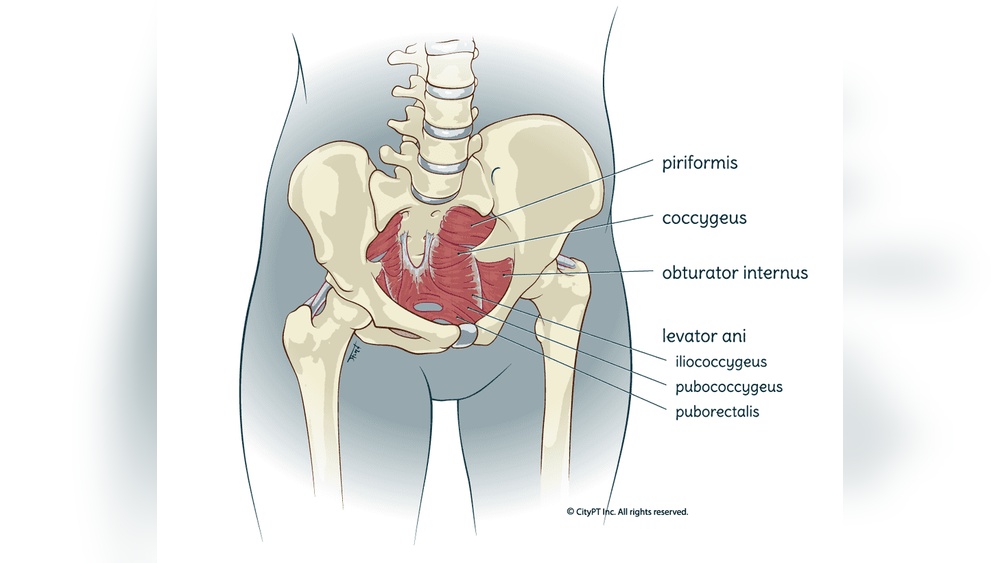
Are you struggling with pelvic pain or discomfort and wondering if pelvic floor therapy could help? One of the biggest questions you might have is whether this type of treatment is covered by insurance.
Understanding your coverage can save you money and stress. You’ll discover exactly what you need to know about insurance and pelvic floor therapy. Keep reading to find out how to get the care you need without breaking the bank.

Credit: wrightpt.com
Insurance Coverage Basics
Understanding insurance coverage is key before starting pelvic floor therapy. Insurance plans vary greatly in what they cover. Knowing the basics helps you avoid surprises and plan your care better.
Insurance companies often have specific rules about covering pelvic floor therapy. These rules depend on the type of plan and your medical needs.
Types Of Insurance Plans
Insurance plans include private, Medicare, and Medicaid. Private insurance is through employers or bought individually. Medicare covers people over 65 or with certain disabilities. Medicaid helps low-income individuals and families. Each plan has different rules for therapy coverage.
Common Coverage Criteria
Most plans cover pelvic floor therapy if a doctor prescribes it. The therapy must treat a medical condition like incontinence or pelvic pain. Insurance may require proof that therapy is necessary. Sessions might have limits on number or duration.
Preauthorization Requirements
Many insurance plans need preauthorization before starting therapy. This means the doctor or therapist must get approval from the insurance company. Preauthorization ensures the therapy is medically needed. Without it, you might pay the full cost yourself.
Conditions Treated By Pelvic Floor Therapy
Pelvic floor therapy helps treat many common health problems. It focuses on strengthening and relaxing the muscles in the pelvic area. This therapy improves quality of life by easing symptoms and restoring function.
Below are some key conditions treated by pelvic floor therapy.
Urinary Incontinence
Urinary incontinence means leaking urine by accident. It happens when pelvic muscles are weak or damaged. Pelvic floor therapy teaches exercises to strengthen these muscles. Patients often see less leakage and better bladder control.
Pelvic Pain
Pelvic pain can be sharp or constant discomfort in the lower abdomen. It may come from tight or weak pelvic muscles. Therapy helps relax and stretch these muscles. This reduces pain and improves daily comfort.
Postpartum Recovery
After childbirth, pelvic muscles can be stretched or injured. This causes weakness and discomfort. Pelvic floor therapy supports healing by rebuilding muscle strength. It also helps with bladder control and pelvic stability.
How To Verify Your Benefits
Verifying your insurance benefits for pelvic floor therapy is important. It helps you understand what costs your insurance will cover. Taking time to check your benefits reduces surprise bills and stress. Follow these steps to confirm your coverage.
Contacting Your Insurer
Call the customer service number on your insurance card. Ask about coverage for pelvic floor therapy. Note down the representative’s name and details of your call. Request information on any limits or requirements for therapy sessions.
Reviewing Your Policy Documents
Read your insurance policy carefully. Look for sections on physical therapy or specialty treatments. Check if pelvic floor therapy is listed as covered or excluded. Make a note of any copays, deductibles, or session limits.
Questions To Ask
Ask if a referral from your doctor is needed. Check if therapy must be done by specific providers. Inquire about the number of covered sessions per year. Confirm if there are any pre-authorization steps required.
Out-of-pocket Costs
Paying for pelvic floor therapy can vary widely. Understanding out-of-pocket costs helps you plan better. These costs depend on your insurance plan and the therapy provider.
Copayments And Deductibles
Copayments are fixed fees paid each visit. Deductibles are amounts you pay before insurance helps. Both affect how much you spend out of pocket. Some plans have low copayments but high deductibles. Check your insurance details to know your share.
Limits On Sessions
Insurance may limit the number of covered therapy sessions. You might need to pay fully for extra visits. These limits can increase your total cost. Ask your insurer about session caps. Plan your therapy schedule to stay within limits.
Costs Without Coverage
Without insurance, pelvic floor therapy can be costly. Prices vary by location and therapist. Average costs range from $100 to $200 per session. Paying out of pocket means full payment upfront. Some clinics offer payment plans or discounts. Compare options before starting therapy.
Filing Claims And Appeals
Filing claims and appeals for pelvic floor therapy insurance can be tricky. Understanding the process helps you get the coverage you deserve. This section explains how to submit claims, handle denials, and tips for successful appeals.
Submitting Claims
Start by gathering all necessary documents. These include doctor’s notes, therapy plans, and invoices. Submit your claim to the insurance company as soon as possible. Follow their specific instructions carefully. Keep copies of everything for your records. Track your claim status regularly to avoid delays.
Handling Denials
Denials happen often but don’t give up. Read the denial letter carefully to understand the reason. Common reasons include missing information or therapy not being covered. Contact the insurance company for clarification. Sometimes, a simple call can resolve the issue. Ask your healthcare provider for help if needed.
Appeal Process Tips
Write a clear, polite appeal letter. Include all supporting documents and doctor’s recommendations. Explain why the therapy is necessary for your health. Follow the insurer’s appeal deadlines strictly. Keep copies of all communications. Persistence increases the chance of a successful appeal.

Credit: www.samsonphysicaltherapy.com
Alternatives If Not Covered
Pelvic floor therapy can be expensive without insurance coverage. Many people seek ways to afford this important treatment. Several alternatives make therapy more accessible and affordable. These options help reduce the financial burden and keep your health on track.
Flexible Spending Accounts
Flexible Spending Accounts (FSAs) let you use pre-tax money for medical costs. You can pay for pelvic floor therapy sessions with FSA funds. This reduces your overall expenses. FSAs are offered through many employers. Check with your HR department to see if you qualify.
Payment Plans
Some clinics offer payment plans for pelvic floor therapy. These plans break down the total cost into smaller payments. This makes therapy easier to manage financially. Ask your therapist or clinic about available payment options. They often tailor plans to fit your budget.
Community Resources
Community centers and non-profits sometimes provide low-cost or free pelvic floor therapy. Local health departments may offer support programs as well. These resources aim to help people with limited funds. Contact nearby clinics or community health offices for more information.

Credit: www.durhampelvicpt.com
Frequently Asked Questions
Is Pelvic Floor Therapy Usually Covered By Insurance?
Many insurance plans cover pelvic floor therapy if medically necessary. Coverage depends on your specific policy and diagnosis. Always check with your insurer before starting treatment to confirm eligibility and out-of-pocket costs.
What Conditions Make Pelvic Floor Therapy Insurance-covered?
Insurance often covers pelvic floor therapy for conditions like urinary incontinence, pelvic pain, and postpartum recovery. A doctor’s referral or prescription usually strengthens the claim. Coverage varies by insurer and condition severity.
How To Verify Insurance For Pelvic Floor Therapy?
Contact your insurance provider directly or use their online portal. Ask about pelvic floor therapy coverage, copays, deductibles, and pre-authorization requirements. Confirm details before scheduling therapy sessions to avoid unexpected expenses.
Are There Limits On Pelvic Floor Therapy Sessions?
Many insurance plans limit the number of covered therapy sessions. Limits typically range from 6 to 20 visits per year. Check your policy’s specifics to understand session caps and possible extensions with provider approval.
Conclusion
Insurance coverage for pelvic floor therapy varies by provider and plan. Many plans offer some benefits, but limits and rules apply. Checking your policy details helps avoid surprises. Talk to your insurance company before starting therapy. Some therapists can assist with insurance questions.
Treatment can improve quality of life. Don’t let insurance confusion stop you from seeking help. Understanding coverage makes the process easier. Taking these steps brings you closer to care and relief.