
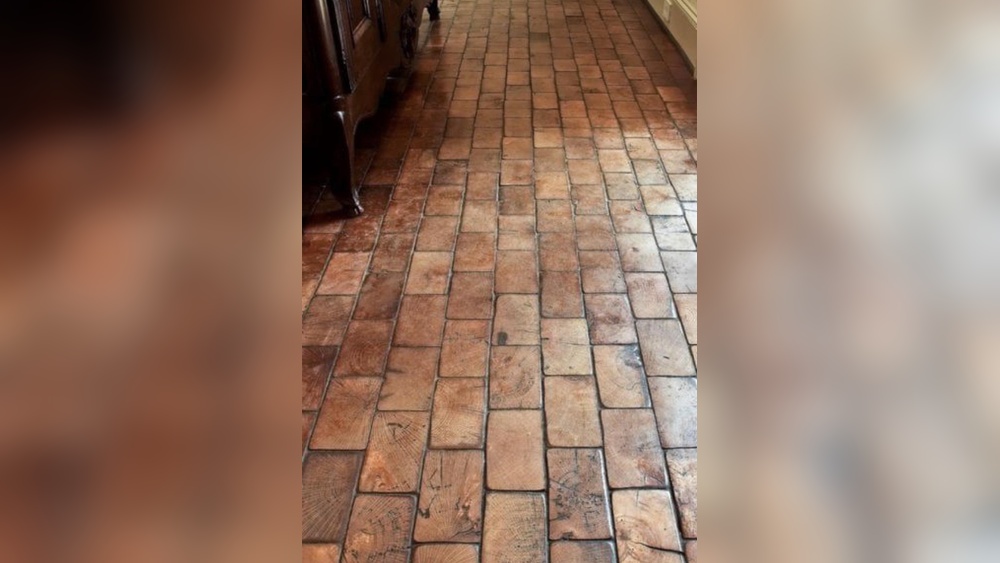
End Grain Wood Flooring: Elegance and Craftsmanship
End grain wood flooring is one of the most durable and visually striking flooring options available today. Its distinctive grain and superior construction make it a statement of elegance and craftsmanship. Homeowners seeking a long-term investment that combines style and functionality often choose end grain wood floors. In this article, we explore everything you need to know about end grain wood flooring, including its benefits, installation process, and maintenance tips.
What Is End Grain Wood Flooring?

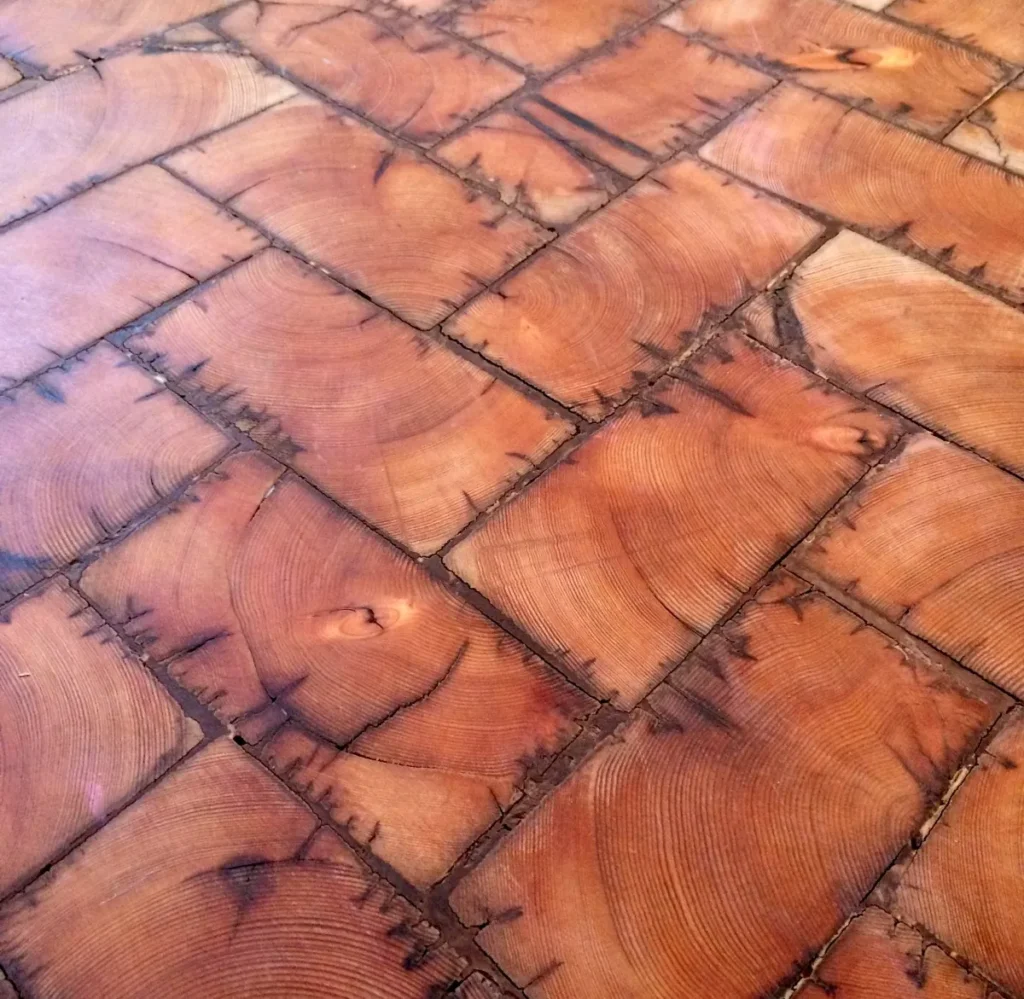
End grain wood flooring is created from small blocks of wood with the grain ends facing upward. Unlike traditional plank flooring, where the grain runs along the length of each board, end grain exposes the cross section of wood fibers. This unique structure allows the floor to withstand heavy foot traffic and resist dents more effectively than other types of wood flooring.
Because of its durability, end grain flooring is commonly used in high-traffic areas such as kitchens, hallways, and commercial spaces. The pattern created by the exposed grain gives each floor a one-of-a-kind artistic look, making it a favorite among designers and architects.
Benefits of End Grain Wood Flooring
Exceptional Durability
End grain wood flooring is exceptionally durable. The vertical alignment of the wood fibers cushions impact and distributes weight evenly, making it resistant to scratches, dents, and general wear. Families with children or pets particularly benefit from this type of flooring, as it can handle heavy use without losing its beauty.
Unique Visual Appeal
End grain floors offer a visually stunning mosaic effect. The exposed growth rings in each block create texture and color variations that cannot be achieved with traditional planks. This intricate pattern adds depth and character to any room, turning your flooring into a focal point and elevating the overall aesthetic of your home.
Long-Term Investment
While end grain wood flooring may have a higher upfront cost than standard wood floors, it provides decades of lasting beauty and value. A well-maintained end grain floor is a durable investment that enhances both your home’s appearance and market value.
Superior Moisture Resistance
The vertical grain structure of end grain flooring helps prevent warping and cupping, giving it better resistance to moisture compared to traditional plank floors. This makes it suitable for kitchens, bathrooms, and other areas with higher humidity.
Comfortable Underfoot
Despite its strength, end grain wood flooring is surprisingly comfortable to walk on. The slight flexibility of the vertical grain absorbs shock, reducing stress on joints. This feature makes it ideal for spaces where you spend a lot of time standing, such as kitchens or workspaces.
Environmentally Friendly Option
Many end grain flooring options are made from sustainably sourced or reclaimed wood. Choosing this type of flooring supports eco-friendly practices and provides a unique floor with a story, combining sustainability with elegance.
Easy Maintenance
End grain wood floors are simple to maintain. Regular sweeping and occasional cleaning with wood-safe products are enough to keep them looking new. Thanks to their durable construction, minor scratches or scuffs do not significantly affect their appearance.
Popular Wood Species for End Grain Flooring

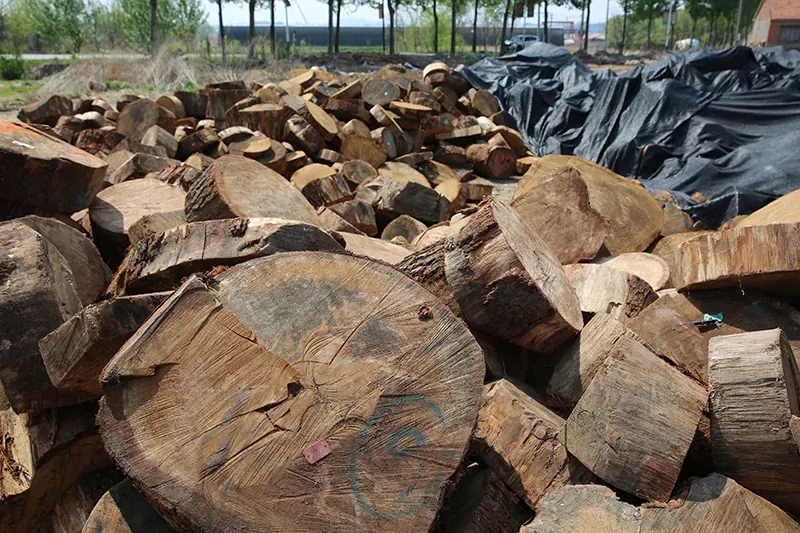
End grain floors can be made from a variety of hardwoods. Popular options include:
Oak – Durable and versatile, perfect for classic or modern interiors.
Maple – Lighter in color with a smooth finish, ideal for contemporary designs.
Walnut – Dark, rich tones that add sophistication to any room.
Hickory – Extremely strong, suitable for high-traffic areas.
Reclaimed Wood – Sustainable, full of character, and often historically unique.
Choosing the right wood depends on your design preference, budget, and functional needs for the space.
How to Install End Grain Wood Flooring
End grain wood flooring installation requires more precision than traditional planks. Here’s a simplified process:
Preparing the Subfloor
A clean, level, and dry subfloor is essential. Any imperfections in the subfloor will show through the top surface of the finished floor.
Laying the End Grain Blocks
End grain blocks are typically laid individually using a tongue-and-groove system. They are glued or mechanically secured to the subfloor and aligned carefully for a tight, even pattern.
Sanding and Leveling
Once installed, the floor is sanded to create a smooth surface and enhance the natural grain patterns. Sanding ensures the finish looks professional and uniform.
Finishing
A sealant or oil finish is applied to protect the wood from moisture, stains, and wear. Finishes range from matte to semi-gloss depending on the desired appearance.
Maintenance Tips for End Grain Wood Flooring
Proper maintenance ensures your floor stays beautiful for decades:
Sweep or vacuum regularly to remove dirt and dust.
Clean occasionally with wood-safe products.
Use rugs in high-traffic areas to reduce wear.
Wipe up spills immediately to prevent staining.
Reapply finish or oil periodically to maintain protection and shine.
End Grain Wood Flooring vs Traditional Hardwood
When deciding between end grain and traditional plank flooring:
Durability – End grain is more resistant to dents and scratches.
Appearance – End grain provides a unique, mosaic pattern while plank flooring is more uniform.
Cost – End grain floors are more expensive upfront but often last longer.
Maintenance – Both are easy to maintain, though end grain may require occasional refinishing to preserve its finish.
Best Spaces for End Grain Wood Flooring
Kitchens – Durable and comfortable for standing.
Hallways – Perfect for high-traffic areas.
Living Rooms – Adds unique texture and visual interest.
Commercial Spaces – Ideal for restaurants, offices, or boutiques where style and durability are essential.
Common Myths About End Grain Wood Flooring
Too Expensive – Initial costs are higher, but long-term durability makes it cost-effective.
Hard to Clean – Routine care is simple and straightforward.
Not Suitable for Moist Areas – Properly sealed end grain floors handle humidity well.
Understanding the facts helps homeowners make informed decisions.
Conclusion
End grain wood flooring combines durability, beauty, and comfort in a way few other floors can. Its distinctive grain, long-lasting strength, and versatile applications make it ideal for homeowners and designers. By selecting the right wood species, ensuring professional installation, and following proper maintenance, end grain wood flooring can transform any space into a stunning and resilient home.
Investing in end grain wood flooring is not just a choice for visual appeal but a long-term investment that stands the test of time.