
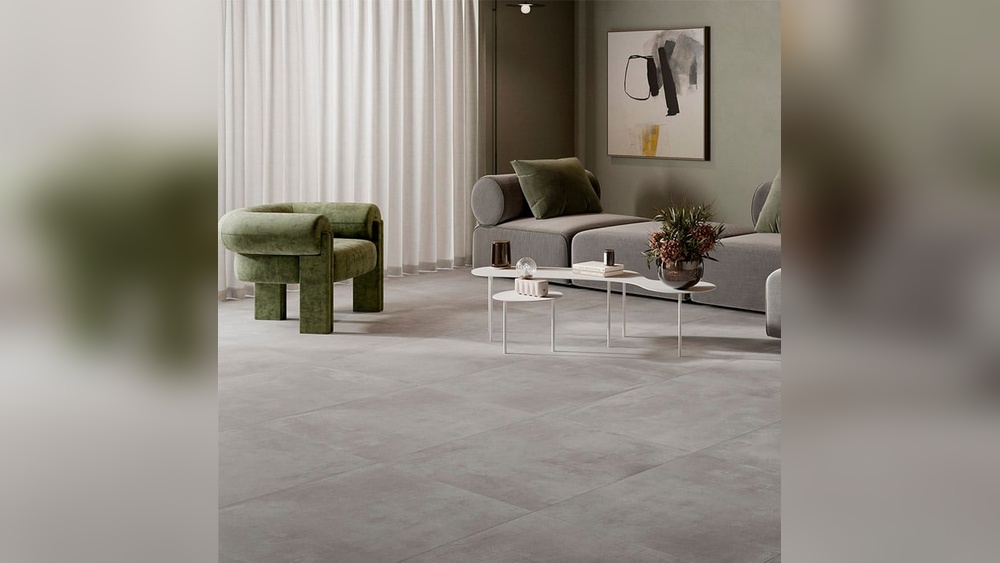
1. What Is Underfloor Heating?
Underfloor heating, also called radiant floor heating, is a system that heats your home from the ground up. Unlike radiators, which can create uneven temperature zones, underfloor heating distributes warmth evenly across the floor, improving comfort and allowing for lower thermostat settings, which can save energy.
1.1 Types of Underfloor Heating
Electric Systems: Thin mats or cables installed beneath tiles. They’re ideal for renovations and allow precise room-by-room temperature control.
Hydronic (Water) Systems: Also known as wet systems, they circulate warm water through pipes under the floor. These systems are highly efficient and suitable for heating larger areas over longer periods.
1.2 How Underfloor Heating Works
Heat radiates upward through the floor, providing consistent warmth. This method eliminates “cold spots,” reduces dust circulation, and maintains a comfortable environment with lower energy use.
2. Why Tiles Are Perfect for Underfloor Heating
Tiles are a popular choice because of their high thermal conductivity. They allow heat from the system to spread evenly and quickly across the surface. Unlike carpet or wood, which can slow heat transfer, tiles warm up efficiently and retain heat for longer.
Key Benefits
Energy Efficiency & Thermal Retention: Tiles store heat effectively, keeping rooms warm while reducing energy use.
Durability: Resistant to scratches and moisture, tiles can last 30+ years.
Easy Maintenance: Tiles are hygienic, stain-resistant, and simple to clean.
With the right heated floor tiles, you get a combination of comfort, efficiency, and long-term durability.
3. Top Tile Choices for Heated Floors
Choosing the right material ensures performance and style. Here are the most popular options:
3.1 Porcelain Tiles
Porcelain is widely regarded as the best option for underfloor heating tiles. Its dense construction allows excellent heat distribution and long-term durability.
Pros:
Efficient heat transfer and retention
Scratch-resistant and long-lasting
Available in multiple colors and finishes
Cons:
Higher cost than ceramic
Heavier, requiring a well-prepared subfloor
3.2 Ceramic Tiles
Ceramic tiles are more budget-friendly while still providing good thermal performance. Slightly less dense than porcelain, heat transfer is marginally slower.
Pros:
Cost-effective
Wide variety of designs and colors
Easy to maintain
Cons:
Less durable than porcelain
Can chip under heavy impact
3.3 Natural Stone Tiles
Natural stone tiles such as marble, slate, limestone, and travertine offer luxury and performance. Their high thermal mass allows them to store and radiate heat efficiently.
Considerations:
Must be sealed to prevent moisture penetration
Slightly higher installation cost
3.4 Other Tile Options
Quarry Tiles: Extremely durable, perfect for high-traffic areas.
Terrazzo Tiles: Customizable and heat-friendly, ideal for contemporary spaces.
4. Laying Tiles Over Underfloor Heating – Technical
Guide

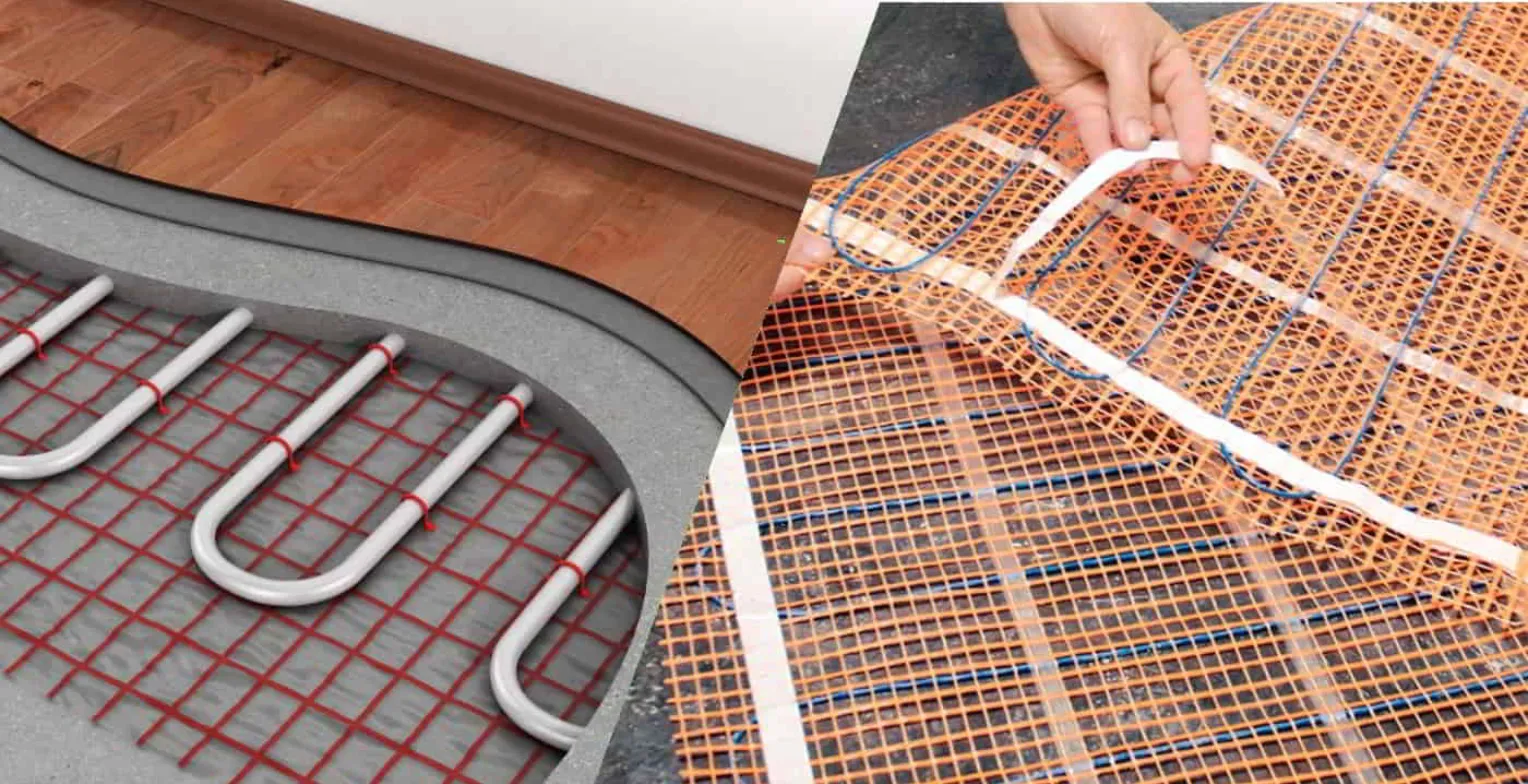
Proper installation ensures maximum performance and longevity.
4.1 Subfloor Preparation
Smooth Surface: Use self-leveling compounds for even heat distribution.
Moisture Control: Install a vapor barrier to prevent damage.
4.2 Adhesive & Grout Selection
Flexible Tile Adhesive: Allows for thermal expansion without cracking.
Heat-Resistant Grout: Retains strength under continuous heat up to 250°C.
4.3 Tile Installation Tips
Movement Joints: Allow tiles to expand and contract with heat.
Even Spacing: Use spacers for uniform grout lines.
4.4 System Integration
Sensor Placement: Avoid hot spots for accurate temperature readings.
Thermostat Installation: Programmable thermostats maximize energy efficiency.
5. Design Ideas & Aesthetic Trends
5.1 Modern Minimalist
Large-format tiles for a seamless look
Neutral colors like beige, gray, and white
Smooth finishes for a clean, modern appearance
5.2 Rustic & Natural
Stone-look or textured tiles
Earthy colors with wood accents
Creates warm and inviting spaces
5.3 Color & Pattern Play
Hexagon, herringbone, or checkerboard patterns
Feature walls or standout floors
Mix-and-match colors for a playful, dynamic look
6. Performance & Comfort Factors
Consistent Heat: Tiles distribute heat evenly, eliminating cold spots.
Energy Saving: Insulated tiles allow lower thermostat settings, reducing energy use.
Comfort Underfoot: Thermal mass keeps tiles warm and comfortable for bare feet.
7. Common Mistakes to Avoid
Incorrect Tile Thickness: Too thick tiles reduce heat transfer.
Wrong Adhesive: Non-flexible adhesives can crack under heat.
Skipping Insulation: Leads to heat loss and higher bills.
Poor-Quality Grout: Tiles may shift or crack.
8. Cost Considerations & Value
| Tile Type | Approx. Cost per m² |
|---|---|
| Porcelain | $50–$120 |
| Ceramic | $20–$60 |
| Natural Stone | $70–$150 |
Installation Cost: $50–$100 per m², including adhesive, grout, and labor.
ROI: Although initial costs can be high, quality tiles offer longevity, style, and energy savings, making them a valuable investment.
9. Tiles and Underfloor Heating – FAQs
Q1: Which tiles are best for underfloor heating?
Porcelain, ceramic, and natural stone are ideal for efficient heat transfer.
Q2: Can underfloor heating be installed in a bathroom?
Absolutely. Heated bathroom floors add comfort and value.
Q3: What tile size works best?
Large-format tiles heat evenly and minimize grout lines, though medium sizes are also effective.
Q4: How fast do tiles heat up?
Electric systems: 20–30 minutes; hydronic systems: slightly longer.
Q5: Can underfloor heating damage tiles?
No, when installed correctly with suitable adhesives and grout. Avoid non-flexible materials.
Q6: Do natural stone tiles require special care?
Yes, sealing prevents moisture and stains.
Conclusion
Choosing the right underfloor tiles involves balancing style, performance, and value. Porcelain and natural stone provide warmth and durability, while ceramic offers an affordable alternative. Proper installation—including flexible heat-resistant adhesive, grout, and subfloor preparation—ensures optimal comfort and longevity.
With the right tiles and professional installation, you can enjoy a warm, stylish, and energy-efficient home. Consult a trusted installer to find the materials and designs that best fit your space.
Visit Home Page