
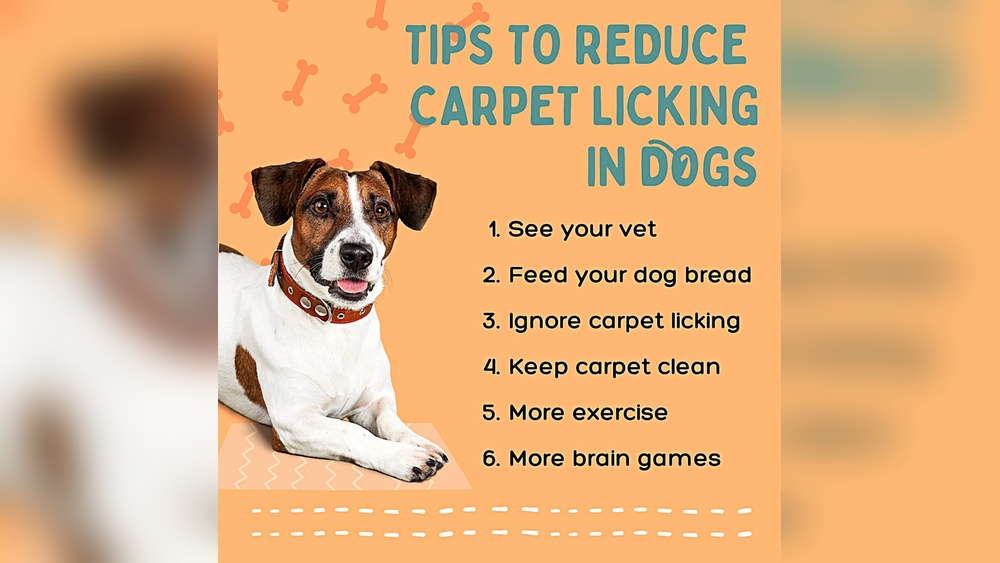
I. Your dog licks the floor?
If you’ve ever seen your dog licking the floor, you may be wondering why they do it. While some pet owners dismiss it as a quirky habit, persistent floor licking could indicate anything from natural curiosity to an underlying health problem. Dogs experience the world through their mouths and noses, so this behavior is far from unusual.
Understanding why your dog licks the floor goes beyond curiosity—it can help you detect potential medical or behavioral issues early. From leftover crumbs to digestive discomfort or neurological problems, the causes are varied, and some may require prompt attention. In this guide, we’ll uncover both common and unexpected reasons dogs lick the floor, along with practical steps to manage it.
II. Is Licking the Floor Normal?
A. Occasional vs. Persistent Licking
Not all floor licking is problematic. Many dogs lick the floor occasionally, especially after meals, when crumbs or tiny food particles remain. Dogs are highly scent-driven—they can detect smells more than 40 times better than humans—and use this ability to explore their environment.
Even invisible crumbs, a sauce spill, or the scent of recently cleaned surfaces can trigger short bouts of licking.
However, persistent licking—lasting several minutes or happening multiple times a day—may indicate boredom, stress, or a medical issue. While occasional floor licking is harmless, repeated behavior should be monitored and investigated.
III. Common Causes of Floor Licking in Dogs

A. Food & Scent Investigation
Dogs have an acute sense of smell, making them naturally drawn to food remnants or other enticing scents. Invisible crumbs, cooking residues, or detergent traces can trigger floor licking. Kitchens, dining areas, and spaces near trash bins are frequent hotspots.
For example, after a family meal, dogs may sniff and lick the floor where food has dropped. While usually harmless, regular cleaning can help reduce this behavior.
B. Natural Exploratory Behavior
Floor licking is also a form of curiosity and exploration. Dogs use their tongues and mouths to investigate different surfaces, scents, and even signs of other animals. Puppies, in particular, engage in this behavior as they learn about their environment.
C. Boredom or Lack of Stimulation
Dogs need both physical exercise and mental engagement. Under-stimulated dogs may lick floors to self-soothe or relieve boredom. This behavior often appears alongside other repetitive actions such as chewing furniture, pacing, or tail-chasing.
Providing puzzle toys, interactive games, and regular walks can help redirect their energy and reduce boredom-induced licking.
D. Anxiety & Stress
Stress and anxiety can lead to repetitive floor licking. Common triggers include separation from owners, loud noises, or changes in household routines. Licking may provide comfort, similar to how humans fidget or bite nails during stress.
IV. Unexpected Medical Causes for Licking the Floor
Persistent or unusual licking may indicate a medical problem. Recognizing these signs helps ensure timely veterinary care.
A. Gastrointestinal Discomfort & Nausea
Dogs often lick the floor when experiencing digestive upset. Conditions like pancreatitis, irritable bowel syndrome (IBS), or delayed gastric emptying can trigger this behavior.
Symptoms to watch: vomiting, diarrhea, reduced appetite, lethargy.
Action: Consult your veterinarian if floor licking is accompanied by GI symptoms. Bloodwork, imaging, or dietary adjustments may be recommended.
B. Pain and Mouth Conditions
Oral discomfort can cause dogs to lick surfaces. Dental problems such as gum disease, tooth decay, or oral injuries may redirect attention to the floor.
Symptoms: bad breath, drooling, difficulty eating, pawing at the mouth.
Action: A dental examination and cleaning by a veterinarian can resolve oral pain and reduce floor licking.
C. Neurological or Cognitive Issues
Floor licking can sometimes signal neurological problems or canine cognitive dysfunction (similar to dementia in humans). Older dogs may show repetitive licking, disorientation, or changes in sleep and activity patterns.
Other signs: confusion, decreased responsiveness, unusual behavior changes.
Action: Veterinary evaluation may include neurological exams or brain imaging to diagnose the underlying issue.
D. Nutrient Deficiencies & Pica
Some dogs develop pica, a condition where they eat or lick non-food items, due to vitamin or mineral deficiencies. Floor licking may be an attempt to compensate for missing nutrients.
Symptoms: licking non-food surfaces, consuming inedible objects, weight loss.
Action: Balanced nutrition and veterinarian-directed supplements can correct deficiencies and reduce this behavior.
E. Electrolyte Imbalance or Systemic Disease
Unusual licking can also result from electrolyte imbalances or systemic conditions such as kidney or liver disease. While less common, these issues can be serious.
Symptoms: increased thirst, vomiting, lethargy, changes in urination.
Action: Immediate veterinary testing is advised if floor licking accompanies systemic signs.
V. Red Flags: When to Be Concerned
While occasional licking is normal, certain behaviors require urgent veterinary attention:
Obsessive or prolonged licking sessions.
Vomiting, diarrhea, blood in stool, weight loss, or lethargy.
Sudden behavioral changes or loss of appetite.
These red flags may indicate digestive issues, oral pain, neurological problems, or systemic disease. Early detection and treatment improve outcomes and prevent complications.
VI. What You Can Do at Home
A. Floor Cleaning & Prevention
Remove food residues and spills promptly using pet-safe cleaners. Avoid harsh chemicals that could harm your dog if ingested. Regular cleaning reduces temptation and discourages floor-licking behavior.
B. Behavioral Training & Enrichment
Combat boredom-induced licking by providing:
Interactive toys or puzzle feeders
Daily walks and exercise
Training sessions using positive reinforcement
Redirecting attention to constructive activities helps curb repetitive licking.
C. Dietary Adjustments
A balanced diet fed on a consistent schedule can prevent licking caused by hunger or nutrient deficiencies. Avoid excessive table scraps and consult your veterinarian for personalized dietary guidance.
VII. How Your Veterinarian Will Determine the Cause
A vet will start with a detailed history and physical exam. Possible diagnostic steps include:
Bloodwork to check organ function and electrolyte balance
Stool analysis for digestive issues or parasites
Oral exam and dental x-rays
Imaging (ultrasound or MRI) for neurological concerns
Identifying the root cause allows the veterinarian to develop an effective treatment plan, which may include dietary changes, behavior modification, or medical intervention.
VIII. Conclusion
Dogs lick floors for many reasons—some harmless, like curiosity or leftover crumbs, and others more serious, like gastrointestinal discomfort, dental disease, or neurological issues. Observing your dog’s behavior, recognizing warning signs, and seeking veterinary guidance when needed ensures your dog stays healthy and happy.
Floor licking is common, but with monitoring, enrichment, and proper care, it can be managed effectively. You’re not alone—many pet owners face this puzzling habit, and understanding the cause is the first step toward resolution.
Visit Home Page