
Mid Century Floor Tile: A Design Possibility for an Inspired Home
Mid century floor tile is experiencing a powerful revival, blending vintage charm with modern performance. Rooted in the iconic design movement of the 1940s through the 1960s, this flooring style delivers geometry, warmth, and functionality in a way that still feels fresh today.
Whether you’re renovating a kitchen, upgrading a bathroom, or building a new home with retro-inspired character, selecting the right tile can completely transform your space. In this comprehensive guide, we’ll explore materials, patterns, room-by-room inspiration, costs, installation advice, and expert tips to help you design confidently.
What Is Mid Century Floor Tile?
The Origins of Mid Century Modern Design (1940s–1960s)

Mid century design emerged after World War II during a time of architectural innovation and cultural growth. Homes became more open, functional, and connected to the outdoors. Influenced by Scandinavian minimalism and Bauhaus philosophy, interiors emphasized clean lines, simplicity, and practical beauty.
Flooring was no longer just a surface — it became an intentional design element. Patterned tile, terrazzo, and geometric layouts were widely used in homes across California, Palm Springs, and suburban America.
This era introduced:
Open floor plans
Seamless indoor-outdoor transitions
Streamlined yet artistic materials
Warm earth tones accented with bold colors
These foundations continue to define mid century modern floor tile aesthetics today.
Key Characteristics of Mid Century Tile Flooring
Authentic mid century tile patterns share distinct design traits:
Geometric repetition and symmetry
Atomic-age motifs and abstract forms
Earth-tone palettes with selective bold accents
Matte or satin finishes instead of high gloss
Durable materials like terrazzo and ceramic
The ultimate goal? Clean, expressive design that enhances a space without overwhelming it.
Why Mid Century Floor Tile Is Making a Comeback
The Return of Retro Interior Design
Design trends naturally cycle, and retro interiors are firmly back in style. Social platforms like Pinterest and Instagram have reignited interest in vintage-inspired spaces filled with personality.
Desert modern homes in Palm Springs — featuring walnut cabinetry and statement flooring — have heavily influenced renovation projects nationwide. Mid century design feels grounded, authentic, and nostalgic, which resonates strongly with today’s homeowners.
Modern Manufacturing Meets Classic Style
Although the aesthetic is retro, today’s tile technology is advanced and performance-driven.
Modern porcelain and ceramic tiles now offer:
Improved stain resistance
Scratch durability
Waterproof options for bathrooms and kitchens
Sustainable and recycled material choices
Manufacturers combine classic visuals with modern engineering, making these tiles suitable for high-traffic areas.
For current material standards and technical guidance, visit the Tile Council of North America:
https://www.tcnatile.com
Popular Materials for Mid Century Floor Tile
Choosing the right material directly impacts durability, maintenance, and overall appearance.
Terrazzo Tile
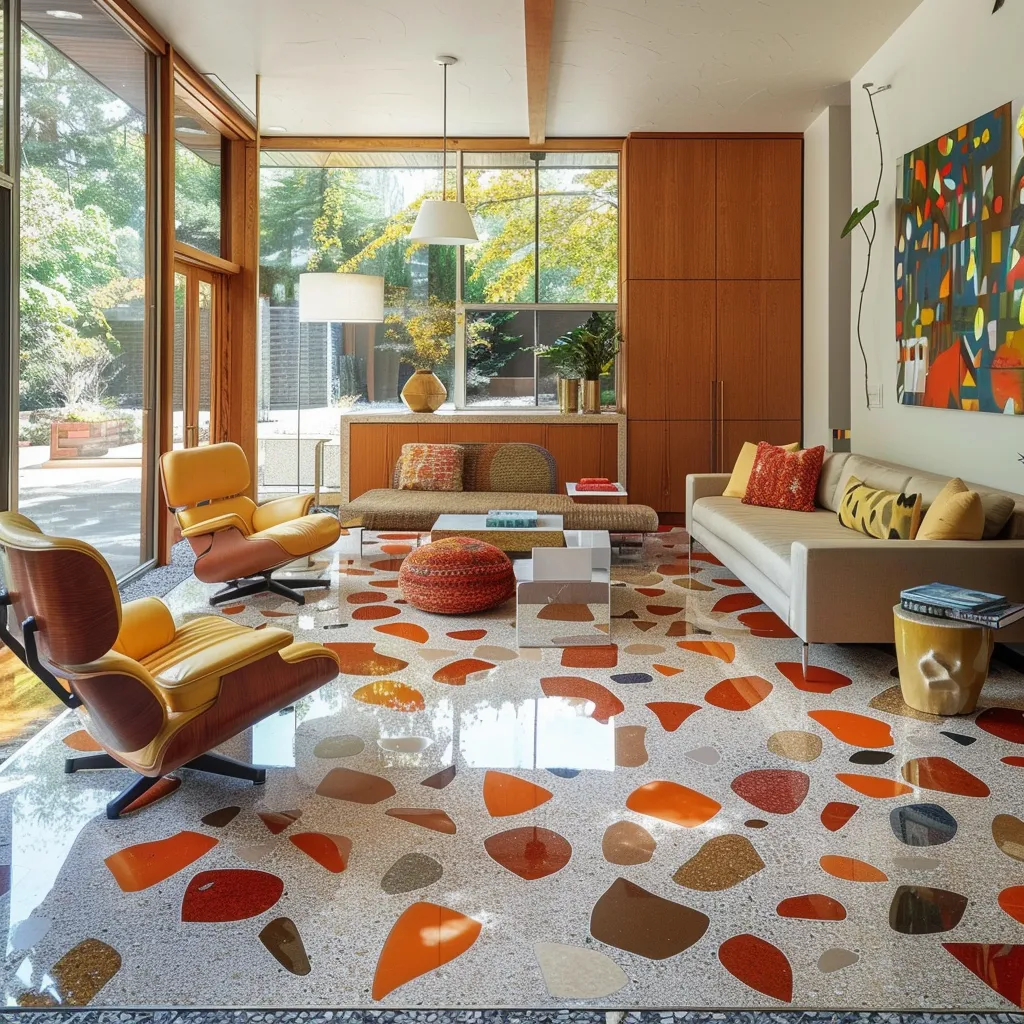
Terrazzo became a signature feature of mid century interiors. Its distinctive speckled look is created from marble, quartz, or glass chips embedded in cement or resin.
Why terrazzo works well:
Ideal for kitchens and bathrooms
Extremely durable
Unique organic texture
Modern terrazzotile replicates the traditional poured look while simplifying installation and maintenance.
Porcelain Tile
Porcelain is one of the most versatile flooring materials available today.
Key advantages include:
Excellent water resistance
High durability for heavy traffic
Available in large-format retro styles
Low maintenance requirements
It’s frequently used in contemporary interpretations of mid century floor tile due to its strength and longevity.
Ceramic Tile
Ceramic remains a budget-friendly option that captures authentic retro appeal.
Best suited for:
Light to moderate traffic areas
DIY-friendly projects
Classic 8×8 patterned tile designs
Natural Stone & Stone-Look Alternatives
Travertine-inspired designs, marble-look porcelain, and slate textures provide organic warmth while maintaining vintage character.
Stone-look porcelain offers the aesthetic of natural materials without the added maintenance.
Patterns give personality and visual rhythm to a space.
Geometric Patterns
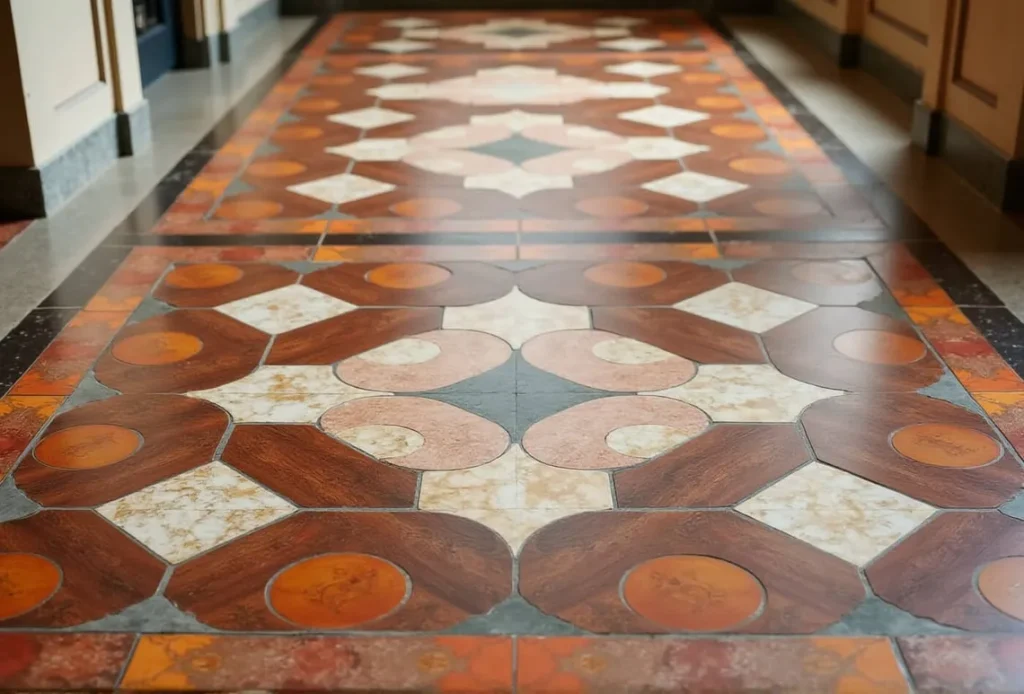
Diamonds, triangles, abstract grids, and linear repetitions define the era. These patterns add structure and movement without cluttering the design.
Ideal for:
Entryways
Kitchens
Statement bathrooms
Hexagon and Penny Tile
Small-format hex tiles were especially popular in mid century bathrooms. Their timeless appeal works beautifully in monochrome schemes or muted earth tones.
Checkerboard Flooring
The classic black-and-white checkerboard remains iconic. Larger-scale reinterpretations give the pattern a more contemporary edge while honoring its vintage roots.
Atomic Age and Starburst Designs
Boomerang shapes and starburst motifs bring playful asymmetry and bold character. These patterns work best in smaller spaces or as accent areas.
Best Mid Century Floor Tile Ideas by Room
Mid Century Kitchen Floor Tile
Kitchen flooring should complement cabinetry and countertops while remaining durable.
Effective design pairings include:
Terrazzo with walnut cabinetry
Geometric tile with neutral quartz countertops
Matte porcelain in olive or warm taupe
Open-plan homes benefit from cohesive tile choices that visually connect adjoining living spaces.
Mid Century Bathroom Floor Tile
Bathrooms are perfect for experimenting with smaller formats.
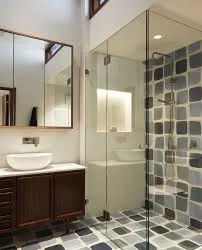
Top choices include:
Hex tiles in muted mustard or sage
Earthy tones like rust and clay
Matte finishes for authentic vintage appeal
Avoid overly glossy finishes if you want to preserve a classic aesthetic.
Living Room & Entryway Tile Designs
Large-format tiles create smooth transitions between indoor and outdoor spaces. Many homeowners combine tile flooring with radiant heating systems for comfort.
Outdoor Patio and Sunroom Tile
Slip-resistant porcelain in concrete-look finishes offers safety and style. Mid century homes often emphasized indoor-outdoor flow, making tile a natural extension material.
Choosing the Right Color Palette
Color determines the mood and visual warmth of a space.
Earthy Mid Century Neutrals
Popular shades include:
Olive green
Burnt orange
Mustard yellow
Warm taupe
These tones add warmth without overpowering the room.
High-Contrast Retro Combinations
For bolder interiors:
Black and white
Teal and cream
Navy paired with brass accents
Balance dramatic flooring with neutral walls to maintain harmony.
Matte vs. Gloss Finish
Matte finishes feel more authentic and are forgiving in high-traffic areas. Gloss tiles reflect light but may appear overly modern for traditional mid century interiors.
How to Choose the Perfect Mid Century Modern Floor Tile
Room Size and Layout Considerations
Tile size influences spatial perception:
Large tiles make rooms feel bigger
Diagonal layouts create movement
Smaller tiles add detail in compact spaces
Tile Dimensions and Pattern Scale
Common dimensions include:
8×8 patterned tiles
12×12 classic squares
24×24 contemporary reinterpretations
Always select pattern scale proportionate to the room’s size.
Grout Color Strategy
Grout significantly affects the final result.
Contrast grout emphasizes geometry
Matching grout creates seamless flow
Test samples before final installation to ensure the desired look.
Installation Tips for Long-Lasting Results
Subfloor Preparation
A level, stable subfloor is essential. Moisture barriers and crack isolation membranes may be necessary depending on the environment.
DIY vs. Professional Installation
Ceramic tile can be DIY-friendly, but intricate geometric layouts require precision. Professional installers are recommended for complex designs.
Maintenance and Cleaning
To preserve longevity:
Use pH-neutral cleaners
Avoid abrasive scrub pads
Seal natural stone according to manufacturer guidelines
Porcelain typically requires minimal maintenance.
Cost Breakdown of Mid Century Floor Tile
Price by Material
Ceramic: $3–$8 per sq. ft.
Porcelain: $5–$12 per sq. ft.
Terrazzo: $10–$30+ per sq. ft.
Installation Costs
Labor typically ranges from $4–$15 per square foot, depending on pattern complexity and location.
Budget-Friendly Alternatives
Consider:
Clearance inventory
Large-format tiles to reduce grout lines
Stone-look porcelain instead of natural stone
Common Mistakes to Avoid
Overusing bold patterns
Ignoring room scale
Selecting slippery finishes for bathrooms
Choosing grout colors that clash
Statement floors should be balanced with clean architectural lines.
Mid Century Floor Tile Trends for 2025
Emerging trends include:
Oversized terrazzo slabs
Muted sage and clay tones
Sustainable recycled materials
Textured matte finishes
The fusion of vintage inspiration and eco-conscious innovation continues to grow.
Frequently Asked Questions
Is terrazzo considered mid century modern?
Yes. Terrazzo was widely used in mid 20th-century homes and remains a defining material of the style.
What colors are popular in mid century modern flooring?
Olive green, mustard yellow, burnt orange, warm taupe, and black-and-white combinations are highly popular.
Can mid century tile work in small bathrooms?
Absolutely. Small-format hex or penny tiles add visual interest without overwhelming compact spaces.
Is porcelain or ceramic better for retro tile flooring?
Porcelain is more durable and water-resistant, making it ideal for heavy traffic. Ceramic is more affordable and suitable for lighter use.
How do you modernize mid century tile without losing character?
Pair traditional patterns with contemporary fixtures and neutral walls to balance old and new elements.
Conclusion
Mid century floor tile remains one of the most versatile and visually impactful flooring options available. It merges classic geometry, organic warmth, and modern durability into a cohesive design statement.
Whether you choose terrazzo, bold geometric layouts, or subtle earth-tone porcelain, balance is essential. Select patterns carefully, coordinate grout strategically, and invest in proper installation.
When executed thoughtfully, this flooring style becomes more than a surface — it tells a story of architectural heritage and timeless design evolution.
Visit Homepage