
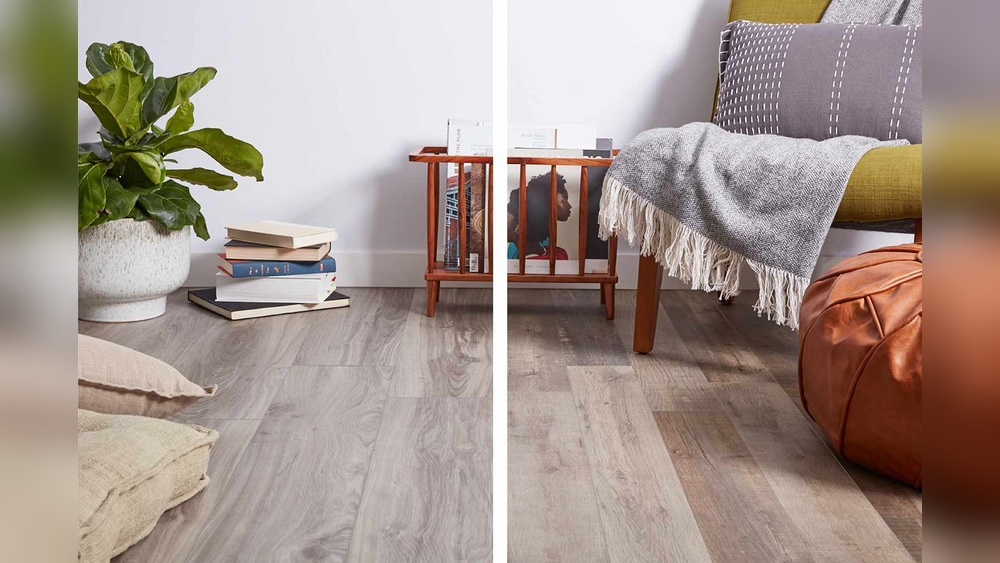
Vinyl Vs Laminate Flooring: Amazing Differences
Choosing new flooring can feel overwhelming. You want something durable, stylish, and practical for everyday life. Today, the two most popular options are vinyl and laminate flooring. They look similar at first glance. But once you understand how each performs, the right choice becomes clear.
This guide explains the real difference between vinyl and laminate flooring in simple, clear language. You’ll learn how they compare in cost, durability, installation, maintenance, and long term value. You’ll also see trends from 2024 and 2025 so you can decide with confidence.
Getting to Know the Basics of Vinyl and Laminate Flooring

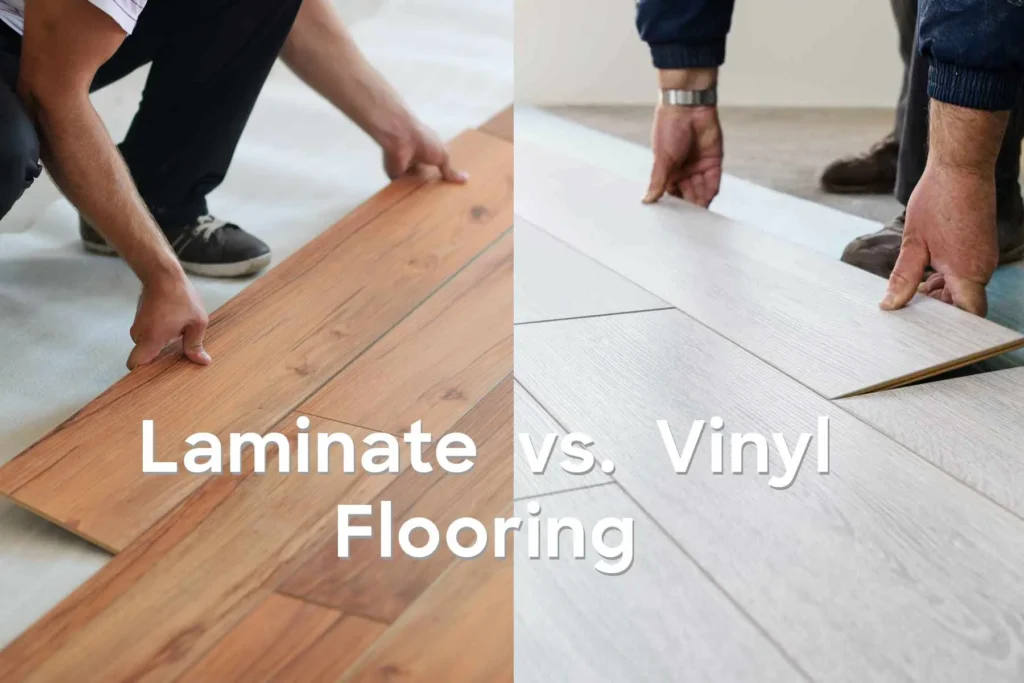
Before you compare benefits, you need to understand what these materials actually are.
What Is Vinyl Flooring
Vinyl flooring is a man made product built from multiple layers of PVC. Modern luxury vinyl plank and luxury vinyl tile use digital printing to replicate the look of wood or stone. Most products are completely waterproof, which makes them popular in kitchens, bathrooms, and basements.
Industry data shows strong growth in vinyl because homeowners want water resistance and easy maintenance. The global vinyl flooring market was valued around USD 25 to 27 billion in 2024 and continues growing at roughly 5 to 7 percent annually according to market reports.
What Is Laminate Flooring
Laminate flooring is a wood based product made from layers of fiberboard topped with a printed design layer and a protective coating. It often feels more like real wood underfoot compared to premium vinyl and usually costs slightly less.
Laminate performs well in dry areas such as bedrooms and living rooms. Some newer products offer waterproof features, but traditional laminate still struggles with standing water.
Biggest Difference: Durability and Water Resistance
If you remember only one section, make it this one.
Vinyl Flooring Handles Water Better
Vinyl flooring is highly water resistant or fully waterproof depending on the product. That makes it a strong choice for areas where spills happen regularly.
Ideal vinyl locations include:
Kitchens
Bathrooms
Laundry rooms
Basements
Entryways
If you are researching key differences for basement flooring options over concrete or wondering whether you need underlayment for vinyl flooring on concrete, vinyl is often recommended because moisture does not damage its core.
Laminate Looks Great but Hates Water
Laminate offers a convincing wood appearance, but its fiberboard core can swell when exposed to moisture. This is why many homeowners ask how long does laminate flooring last or can laminate flooring be stained black. The answer depends heavily on moisture exposure and daily care.
Expert quote:
“Water resistance is now the main buying factor for many homeowners. Vinyl wins when there is even moderate moisture risk,” says a senior flooring installer cited in recent industry analyses.
Installation and DIY Friendliness
Installation affects both upfront costs and long term performance.
Installing Vinyl Flooring
Most vinyl plank flooring uses a click lock system. Many homeowners install it themselves.
Common topics people research include:
Common mistakes when installing vinyl plank flooring
How to stagger vinyl plank flooring
Vinyl plank flooring cost per square foot installed
Vinyl is generally easy to install because it is flexible and forgiving. It can often be installed over existing subfloors as long as the surface is level.
Installing Laminate Flooring
Laminate flooring also uses click lock joints and floats over underlayment. DIY installation is possible, but moisture protection is critical.
If you plan projects such as installing a closet door track on laminate floor, avoid drilling directly through floating laminate without proper anchoring.
Expert quote:
“Laminate is beginner friendly, but precision matters because moisture related swelling can create seam issues,” says a flooring contractor perspective shared by professional installer groups.
Cost Versus Value Over Time for Vinyl and Laminate Flooring

Price matters, but long term value matters more.
Initial Material Costs
Typical ranges include:
Basic laminate with lower upfront cost
Luxury vinyl plank with slightly higher pricing but stronger moisture performance
Market research shows vinyl increasingly replacing laminate because homeowners prioritize durability and lower maintenance over time.
Installation Costs
Vinyl plank flooring cost per square foot installed usually falls into the budget to mid range category, depending on thickness and wear layer quality.
Resale Value and Renovation Impact
Flooring upgrades often provide strong return on investment. Hardwood refinishing remains one of the most valuable upgrades, which is why homeowners often compare vinyl and laminate with higher end options before making final decisions.
Maintenance and Everyday Care
Your lifestyle should guide your flooring choice.
Vinyl Flooring Maintenance
Vinyl requires simple sweeping and occasional mopping. It performs well with pets, spills, and busy households.
Common homeowner questions include:
How to get paint off vinyl floor
Floor sealer for vinyl floor
How to clean epoxy garage floor versus vinyl flooring
Laminate Flooring Maintenance
Laminate needs more careful moisture control.
Common concerns include:
How to clean very dirty laminate flooring
Care for different types of flooring
Avoiding excessive wet mopping
Good humidity control helps reduce issues such as swelling or mold on wood based floors.
Style, Comfort, and Flooring Trends
Design trends strongly influence flooring choices.
Vinyl Design Trends
Luxury vinyl plank continues to grow in popularity thanks to realistic textures and improved embossing. Many manufacturers launched recycled or low VOC products in 2024 due to sustainability demand.
Popular looks include:
Stone look laminate flooring alternatives
Mid century floor tile designs
Black and white checkered patterns inspired by dance floors
Metallic epoxy floor kit inspired finishes
Laminate Design Trends
Laminate remains popular for natural wood appearances, including:
White oak wide plank flooring styles
Teak inspired tones
Yellow pine flooring finishes
Health and Indoor Air Quality Considerations
Some homeowners worry about emissions from flooring materials.
The US EPA notes that volatile organic compounds from building materials can contribute to indoor air pollution, and indoor levels may exceed outdoor levels. Choosing low emission flooring products helps reduce risk.
Tips for safer flooring choices:
Choose low VOC certified flooring
Ventilate rooms after installation
Follow manufacturer curing instructions
Quick Decision Guide: Vinyl and Laminate Flooring
Choose vinyl if you want:
Waterproof protection
Easy cleaning
Durability in high traffic areas
Basement or kitchen installation
Choose laminate if you want:
Lower upfront cost
Real wood feel underfoot
Installation in dry spaces such as bedrooms
Common Mistakes to Avoid
Many flooring issues come from installation errors rather than material failure.
Avoid these mistakes:
Ignoring underlayment requirements
Installing vinyl on uneven floors
Poor expansion spacing with laminate
Using excessive water during cleaning
Skipping moisture tests on concrete slabs
Frequently Asked Questions
Which is more durable, vinyl or laminate flooring?
Vinyl generally performs better in wet environments. Laminate can last many years in dry spaces with proper care.
Is vinyl cheaper than laminate flooring?
Basic laminate is often cheaper upfront, but vinyl may reduce long term repair costs.
Can you install laminate flooring in a kitchen?
You can, but vinyl handles spills and humidity better.
Do you need underlayment for vinyl flooring on concrete?
Many products include attached underlayment, but additional moisture protection may still be required over concrete.
How long does laminate flooring last?
Quality laminate typically lasts 10 to 25 years depending on traffic and maintenance.
Which flooring adds more value to a home?
High quality flooring upgrades often improve resale value, especially when combined with cohesive design improvements.
Final Verdict – Vinyl and Laminate Flooring
The key difference between vinyl and laminate flooring comes down to moisture resistance, durability, and how you live.
If your home sees frequent spills, pets, or heavy foot traffic, vinyl is usually the smarter option. If you prefer a real wood feel and plan to install flooring in dry areas, laminate still provides strong value.
The best flooring choice is the one that fits your real life, not just the showroom display.
Visit Homepage