
Are you thinking about upgrading your basement but unsure which floor tiles will work best? Choosing the right floor tiles for your basement can transform a dark, cold space into a warm, inviting area you’ll love.
The right flooring not only looks great but also handles moisture, lasts long, and feels comfortable underfoot. You’ll discover practical tips and expert advice to pick the perfect basement floor tiles that match your style and needs. Keep reading to find out how to make your basement a standout space in your home!
Durability In Basement Flooring
Basements often face tough conditions like moisture and heavy use. Choosing floor tiles with strong durability is key. Durable tiles protect your basement and keep it looking good for years. They handle water, scratches, and heavy impact without damage.
Materials That Withstand Moisture
Moisture can ruin many flooring types. Tiles made from porcelain, ceramic, or natural stone resist water well. Porcelain tiles absorb very little water, stopping mold growth. Ceramic tiles have a sealed surface to block moisture. Stone tiles like slate or granite also handle wet areas nicely. These materials keep your basement dry and safe.
Scratch And Impact Resistance
Basements often see heavy traffic and moving furniture. Tiles should resist scratches and dents. Porcelain tiles are very hard and resist scratches well. Some ceramic tiles have a tough glaze to protect the surface. Stone tiles vary, but granite is strong against impact. Durable tiles keep floors looking fresh even after rough use.
Longevity And Maintenance
Long-lasting tiles save money over time. Durable basement tiles need little repair or replacement. They resist stains and damage for many years. Cleaning is easy with just water and mild soap. Regular sweeping keeps dirt from scratching tiles. These tiles keep your basement floor strong and attractive for a long time.
Waterproof Tile Options
Basements often face moisture problems. Choosing waterproof floor tiles helps keep the space dry and safe. Waterproof tiles stop water from seeping in and causing damage. They also make cleaning easier and prevent mold growth.
Porcelain Tiles
Porcelain tiles are dense and less porous. This makes them highly resistant to water. They come in many colors and styles. Porcelain tiles are strong and last a long time. They handle moisture well, perfect for basements. You can install them over a moisture barrier for extra protection.
Vinyl Tiles
Vinyl tiles are completely waterproof. They do not absorb water at all. Vinyl is soft underfoot and easy to install. These tiles come in many designs, including wood and stone looks. Vinyl tiles work well in basements with occasional moisture. They also reduce noise and feel warm.
Ceramic Tiles
Ceramic tiles have a waterproof glaze on top. This glaze stops water from entering the tile. They are affordable and come in many patterns. Ceramic tiles are easy to clean and maintain. They work well in basements that stay mostly dry. Sealing grout lines improves water resistance even more.
Stylish Basement Designs
Stylish basement designs start with the right floor tiles. The right tiles can change the whole look of your basement. They bring warmth and style to a space that can often feel dark or cold.
Choosing the perfect tile means thinking about color, texture, and patterns. These choices create a unique style that suits your basement’s purpose and your personal taste.
Color And Texture Choices
Light colors make basements feel bigger and brighter. Soft grays, beige, or cream work well. Dark tiles add a cozy and modern touch. Textured tiles like wood-look or stone-look add depth and interest. Smooth tiles give a clean, sleek look. Mix colors and textures to create a balanced and inviting space.
Patterns And Layout Ideas
Simple straight layouts look neat and modern. Diagonal patterns make small basements appear larger. Herringbone and chevron bring energy and style. Mixing tile sizes can create a custom look. Use borders or insets to add detail. Patterns break the monotony and add personality to your floor.
Matching Basement Decor
Choose tiles that match your basement furniture and walls. Warm tile colors go well with wooden furniture. Cool tones fit modern or industrial styles. Rugs can soften tile floors and add color. Keep the style consistent for a cohesive look. Tiles set the foundation for your whole basement design.
:max_bytes(150000):strip_icc()/basement-flooring-ideas-1821693_sheet_vinyl-5eb105549de3436fa46397980e7078d4.jpg)
Credit: www.thespruce.com
Installation Tips For Basement Tiles
Installing floor tiles in a basement requires careful steps to ensure long-lasting results. Proper preparation and correct materials help avoid common problems like moisture damage and tile lifting. Follow these tips to achieve a smooth, durable tile surface in your basement.
Preparing The Basement Floor
Start by cleaning the floor thoroughly. Remove dirt, dust, and any loose particles. Check for cracks or holes. Fill them with a suitable patching compound. Make sure the floor is level. Use a leveling compound if needed. Allow the floor to dry completely before proceeding.
Choosing The Right Adhesive
Select an adhesive made for basements. Moisture-resistant thin-set mortar works well. Avoid adhesives that do not handle damp conditions. Follow the manufacturer’s instructions for mixing and application. Apply the adhesive evenly with a notched trowel. This ensures strong bonding between tile and floor.
Sealing And Grouting
After tiles are set and adhesive dries, apply grout between tiles. Use grout made for wet areas. Spread grout with a rubber float, pressing it into gaps. Wipe off excess grout with a damp sponge. Once grout dries, apply a grout sealer. This keeps water out and prevents stains.
Cost And Budget Considerations
Choosing floor tiles for your basement requires careful thought about costs and budget. The price of tiles varies widely based on material, style, and quality. Planning your budget early helps avoid surprises and keeps the project on track.
Consider both the initial cost and future expenses. Some tiles cost less upfront but may need more care or replacement soon. Others have a higher price but offer durability and long-lasting beauty. Balancing these factors gives the best value for your money.
Affordable Tile Options
Porcelain and ceramic tiles often provide good value at a low cost. They resist moisture and stains, ideal for basement floors. Vinyl tiles also fit tight budgets and come in many designs. These options allow a stylish look without overspending.
Long-term Value
Durability matters for basement flooring. Tiles that last reduce repair and replacement costs. Natural stone and high-quality porcelain hold up well over years. Choosing strong tiles saves money and effort in the long run.
Professional Vs Diy Installation
Installing tiles yourself cuts labor costs but needs skill and time. Mistakes can lead to extra expenses later. Hiring a professional ensures correct installation and longevity. Weigh the cost of labor against the risk of errors before deciding.

Credit: www.tileclub.com
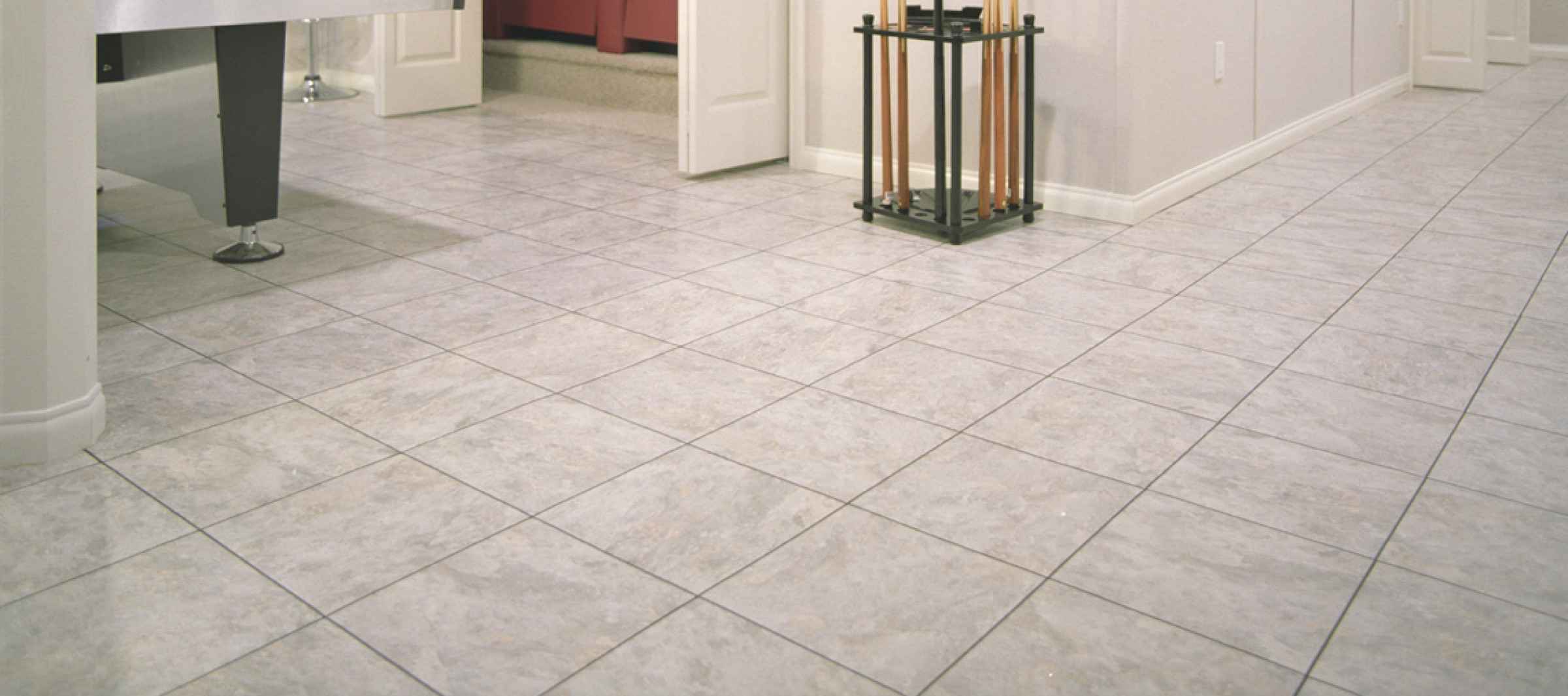
Credit: www.mateflex.com
Frequently Asked Questions
What Are The Best Floor Tiles For Basement Use?
Porcelain and ceramic tiles are ideal for basements. They resist moisture, are durable, and easy to clean. These tiles prevent mold and withstand basement humidity well, ensuring long-lasting performance.
How To Prevent Moisture With Basement Floor Tiles?
Choose waterproof and non-porous tiles like porcelain. Use a moisture barrier underlayment before installing tiles. Proper sealing of grout lines also helps keep moisture out.
Can Basement Tiles Handle Heavy Foot Traffic?
Yes, porcelain and ceramic tiles are strong enough for heavy use. They resist scratches and wear, making them perfect for basement floors with frequent foot traffic.
Are Basement Floor Tiles Cold Underfoot?
Tiles can feel cold in basements due to concrete subfloors. Adding radiant floor heating or area rugs can improve comfort and warmth.
Conclusion
Choosing the right floor tiles makes your basement both strong and stylish. Tiles resist moisture and stains well. They keep the space clean and safe. Many designs suit any taste or need. Easy care means less work for you. Good tiles add value to your home.
Think about durability and look before buying. A smart choice lasts many years. Your basement can become a cozy, useful space. Simple steps lead to great results.