
Thinking about installing radiant floor heating in your home? It sounds like a dream—warm floors and cozy rooms without bulky heaters or noisy vents.
But before you take the plunge, it’s important to know that radiant floor heating isn’t perfect. There are some hidden downsides that could affect your comfort, your wallet, and even your home’s setup. If you want to avoid costly surprises and make the best choice for your space, keep reading.
We’ll break down the disadvantages of radiant floor heating so you can decide if it’s really right for you.
High Installation Costs
High installation costs are a major downside of radiant floor heating. This system needs special parts and skilled workers. These factors raise the price more than many other heating options.
Expensive Materials And Labor
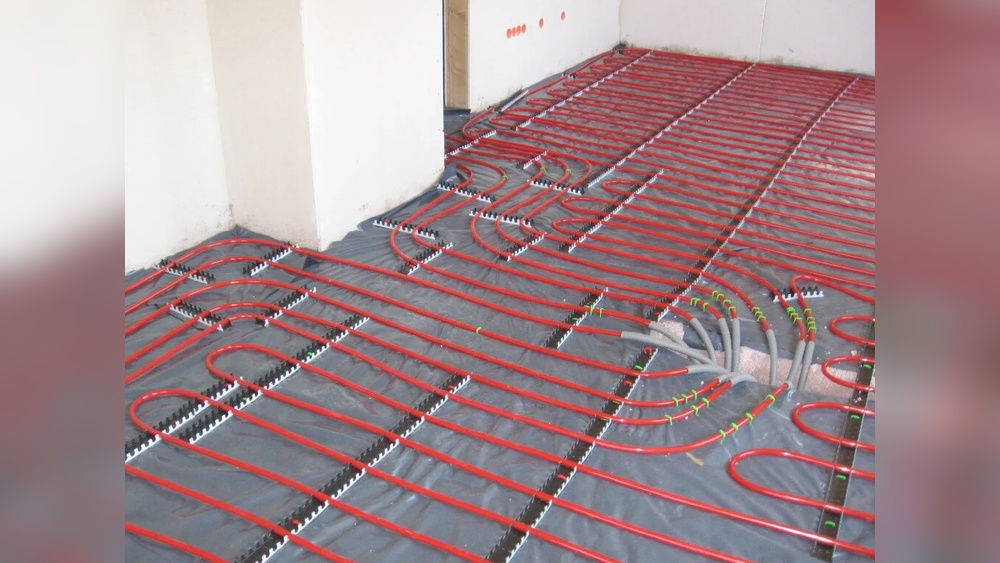
Radiant floor heating uses tubes or electric mats beneath the floor. These materials cost more than normal heating parts. Skilled technicians must install them carefully. Labor charges add up fast because the work is detailed and slow.
Retrofitting Challenges
Adding radiant heating to an existing home is hard. Floors often need to be removed or raised. This means extra work and more money. Retrofitting can disrupt daily life and take time. These challenges make installation more costly and complex.

Credit: jobheating.com
Slow Heating Response
Radiant floor heating is known for its comfort and efficiency. Still, one major downside is its slow heating response. This system takes longer to warm up compared to traditional heating methods. This delay can affect how quickly a room reaches the desired temperature.
Delayed Warm-up Time
Radiant floor heating uses pipes or wires under the floor to heat the space. It takes time for the heat to travel through the floor and into the room. This process can take 30 minutes to an hour or more. The slow warm-up means you cannot quickly change the room temperature. This can be inconvenient on cold mornings or sudden temperature drops.
Temperature Control Issues
Because of the slow response, controlling the temperature precisely is challenging. The system may keep heating even after the room feels warm. This causes uneven temperatures and sometimes overheating. Adjusting the thermostat may not show immediate results. It can take a while before you notice any change in comfort level.
Maintenance And Repairs
Radiant floor heating offers warmth and comfort, but maintenance can be tricky. This system hides most parts beneath the floor. That setup makes repairs and upkeep a challenge. Understanding these issues helps you decide if it fits your needs.
Difficult Access To Components
The heating pipes and wires lie under the floor surface. To reach them, you must remove the flooring. This process takes time and costs money. It can also damage your floor materials. Simple fixes become complex and slow.
Potential For Leaks And Damage
Pipes can develop leaks over time. Leaks may cause water damage to your home. Spotting leaks early is hard because pipes are hidden. Repairing leaks requires cutting into the floor. This repair can disrupt your daily routine and increase expenses.
Energy Consumption Concerns
Radiant floor heating offers comfort but raises energy concerns. It uses electricity or water heated by boilers. These systems can consume more energy than expected. Understanding energy use is vital before installation.
Higher Operating Costs
Radiant floor heating often runs at higher costs than traditional heating. The system heats the entire floor, which may require more energy. Maintaining warmth for long periods adds to the expense. Electricity rates also impact the overall cost. These factors lead to increased monthly energy bills.
Efficiency In Different Climates
In colder climates, radiant floor heating may work less efficiently. The system must run longer to reach comfortable temperatures. Heat loss through floors in poorly insulated homes wastes energy. Warmer climates might not need this heating, making it less practical. Choosing the right system depends on local weather conditions.
Flooring Compatibility
Choosing the right flooring is key for radiant floor heating systems. Not all flooring types work well with this heating method. Some materials can block heat or get damaged over time.
Limitations With Certain Materials
Carpet and thick rugs reduce heat flow. They trap warmth under the surface. This makes the room feel cooler and wastes energy.
Wood flooring can expand and contract with heat changes. This may cause gaps or cracks. Vinyl and laminate floors might warp if the heat is too high.
Impact On Flooring Lifespan
Constant heat can dry out some materials. Wood may shrink or lose moisture, leading to damage. Adhesives under tiles or vinyl can weaken.
Flooring that is not designed for heat might wear out faster. This means you could spend more on repairs or replacement.

Credit: www.newavenuehomes.com
Installation Time And Disruption
Installing radiant floor heating takes more time than other heating systems. The process can disrupt your home for days or even weeks. Understanding the installation time and disruption helps in planning your renovation better.
Extended Construction Period
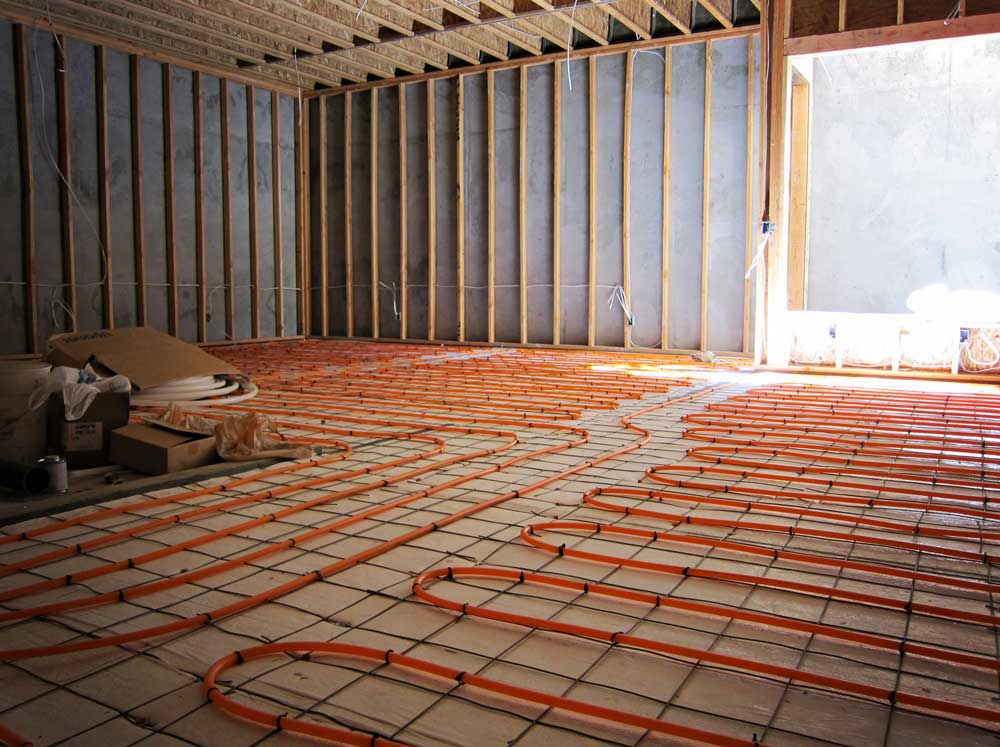
Radiant floor heating requires laying pipes or electric mats under the floor. This step demands careful work and added time. Floors often need to be removed and replaced, which extends the project length. The drying time for concrete or screed can add several days. Overall, installation can take weeks, not days.
Impact On Daily Life
The installation process can limit your home use. Noise and dust are common during the work. Certain areas might be off-limits for safety reasons. Preparing meals and using bathrooms might become difficult. You may need to adjust your daily routine temporarily. Planning ahead can reduce stress during this time.
Limited Cooling Options
Radiant floor heating works great for warmth but has limits with cooling. It cannot lower room temperature like air conditioners do. This creates a challenge in hot weather.
Homes with radiant floor heating need other methods to stay cool. Understanding these limits helps in planning a comfortable home climate.
No Built-in Cooling Function
Radiant floor heating systems only provide heat. They do not have any cooling feature. This means they cannot cool floors or air. In hot seasons, relying on this system alone is not enough.
Without built-in cooling, rooms can become too warm. People may feel uncomfortable during summer months. This limitation is important to consider before choosing radiant floor heating.
Alternative Solutions Needed
To cool a home with radiant floor heating, extra systems are required. Air conditioners or fans help reduce indoor temperatures. These devices work separately from the floor heating system.
Installing separate cooling systems adds to the overall cost. It also means more equipment to maintain. Planning for these alternatives is necessary to keep a home comfortable year-round.
Credit: www.schieffer.com.br
Frequently Asked Questions
What Are The Main Disadvantages Of Radiant Floor Heating?
Radiant floor heating can be costly to install and repair. It takes longer to heat a room and may cause uneven heating. Maintenance can be complex, and it is less compatible with some floor types, limiting design choices.
Is Radiant Floor Heating Expensive To Install?
Yes, radiant floor heating installation is generally more expensive than traditional systems. It requires specialized labor and materials. Retrofitting existing floors can increase costs further, making it less budget-friendly for some homeowners.
Does Radiant Floor Heating Cause Uneven Room Temperature?
Radiant floor heating may cause uneven temperatures, especially in larger rooms. Heat distribution depends on floor layout and insulation quality. Some areas might feel warmer while others stay cooler, impacting overall comfort.
Can Radiant Floor Heating Damage Flooring Materials?
Certain flooring materials like hardwood or vinyl can be sensitive to radiant heat. Prolonged exposure may cause warping or discoloration. It’s important to choose compatible materials to avoid damage and ensure system efficiency.
Conclusion
Radiant floor heating offers warmth but has clear downsides. It can cost a lot to install and fix. The system may take time to heat the room fully. Not all floors work well with this heating type. Repairs can be tricky and disrupt the floor.
Some people may find it hard to control the heat. Knowing these drawbacks helps in making smart choices. Think about your needs before choosing radiant floor heating. It’s not the best fit for every home or budget.